Quick Facts
- Top Recommendation: Prioritize products featuring NSF Certified for Sport or Informed Sport labels to ensure label accuracy and safety.
- Safety Alert: Be aware that 75% of protein powders tested in recent studies contained measurable levels of lead.
- Recovery Benchmark: To effectively trigger muscle repair, aim for 20-30g of protein per serving with at least 2.5-3g of leucine.
- Clean Standard: Avoid artificial sweeteners like sucralose and synthetic gums, which can negatively impact gut health and microbiome diversity.
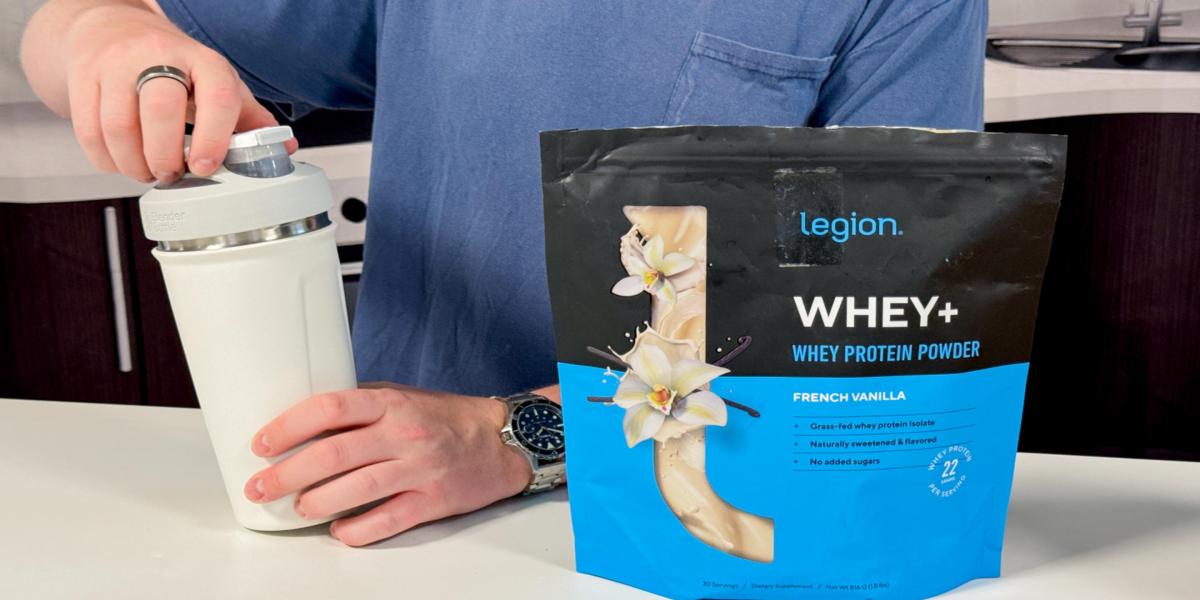
- Bioavailability King: Whey isolate remains the gold standard for immediate post-workout needs due to its rapid absorption and high essential amino acid content.
- Market Insight: The global protein supplements market reached a value of approximately $28.52 billion in 2024, reflecting a massive shift toward convenient recovery solutions.
Finding the best protein powder for muscle repair requires more than just high protein counts; it demands clean protein powder ingredients and high bioavailability. The most effective protein powder for recovery should feature minimal, whole-food ingredients, undergo third-party testing for heavy metals, and provide a complete amino acid profile rich in leucine content to trigger muscle protein synthesis effectively.
The Science of Recovery: Why Quality Matters
When we exercise, we create microscopic tears in our muscle fibers. The process of repairing these fibers is known as muscle protein synthesis, or MPS. To flip the switch on MPS, your body requires a steady supply of essential amino acids, particularly the branched-chain amino acid known as leucine. Without adequate quality protein, the body remains in a catabolic state, where muscle breakdown exceeds repair, leading to prolonged soreness and stalled progress.
The source of your protein significantly dictates how well your body responds. Clinical research has shown that whey protein ingestion stimulates muscle protein synthesis by nearly 70%, which is a stark contrast to the 30% to 31% increase observed with casein protein. This difference is largely due to the rapid digestion rate of whey, which floods the bloodstream with amino acids exactly when the muscles are most receptive.
To optimize your results, you must also consider your total daily intake. For those engaged in regular physical activity, general guidelines are no longer sufficient. Health experts recommend a daily protein intake of 1.2 to 1.4 grams per kilogram of body weight for endurance athletes and 1.6 to 1.7 grams per kilogram for strength athletes. Meeting these targets ensures that you are providing the necessary building blocks for post-exercise hypertrophy and overall inflammation reduction.
Screening Your Label: The Clean Protein Checklist
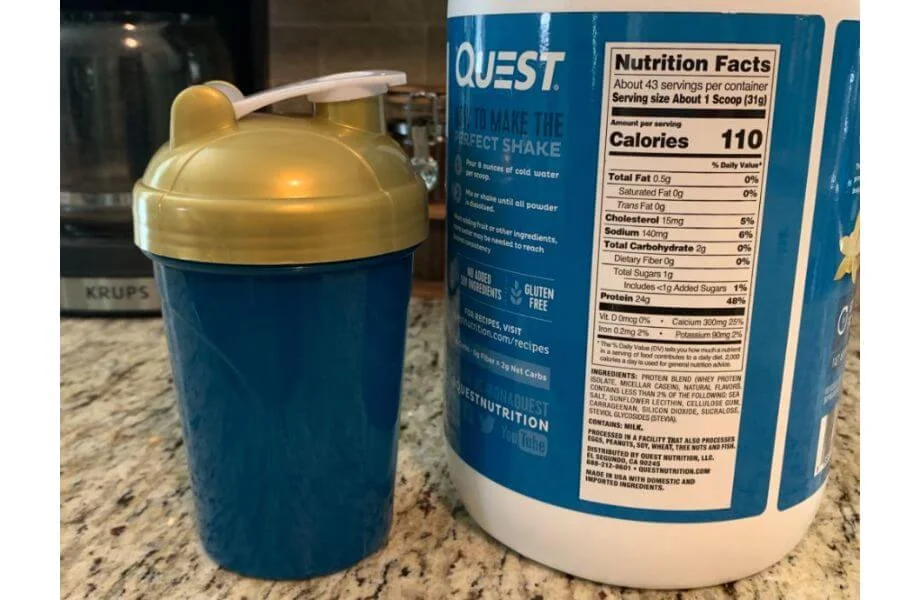
With the protein market being so lucrative, many manufacturers prioritize profit over purity. This results in products filled with "label dressing"—ingredients that sound healthy but offer no nutritional value or, worse, cause digestive distress. When you are evaluating protein powder for post-workout recovery, the ingredient list should be short and recognizable.
One of the most concerning aspects of the industry is heavy metal contamination. Because many protein sources are grown in soil that may contain industrial runoff, toxins like arsenic, cadmium, and lead can end up in your shake. A prominent study found that a staggering percentage of top-selling products contained heavy metals. This is why looking for third-party tested protein powder brands for athletes is non-negotiable. Certifications from organizations like the Clean Label Project or NSF provide peace of mind that your supplement isn't introducing toxins into your system.
The "Dirty Dozen" Additives to Avoid
To maintain gut health and ensure optimal absorption, scan your labels for these common red flags:
| Ingredient Type | Specific Additives to Avoid | Why It Matters |
|---|---|---|
| Artificial Sweeteners | Sucralose, Aspartame, Saccharin | Can disrupt gut bacteria and cause bloating. |
| Thickening Gums | Carrageenan, Xanthan Gum, Guar Gum | Often used to improve texture but can cause GI distress. |
| Fillers | Maltodextrin, Soluble Corn Fiber | Used to bulk up the product; adds unnecessary carbohydrates. |
| Vague Flavoring | "Natural Flavors" | Can hide hundreds of unnamed chemical compounds. |
| Hydrogenated Oils | Soy or vegetable oils | Added for creaminess but contributes to systemic inflammation. |
When you are learning how to check protein powder for heavy metals, start by visiting the brand's website to see if they publish their Certificates of Analysis (CoA). If a brand is transparent, they will proudly display their heavy metal screening results. Furthermore, for animal-based options, prioritize grass-fed sourcing to ensure a better fatty acid profile and fewer antibiotic residues.
Why Third-Party Testing is Vital
For competitive athletes, the stakes are even higher. Contaminated supplements can lead to failed drug tests. This is where NSF Certified for Sport comes in. This certification ensures the product contains exactly what is on the label and is free from over 280 substances banned by major athletic organizations. Even for the casual gym-goer, this level of scrutiny ensures you are getting the clean protein powder ingredients to look for without any hidden fillers.
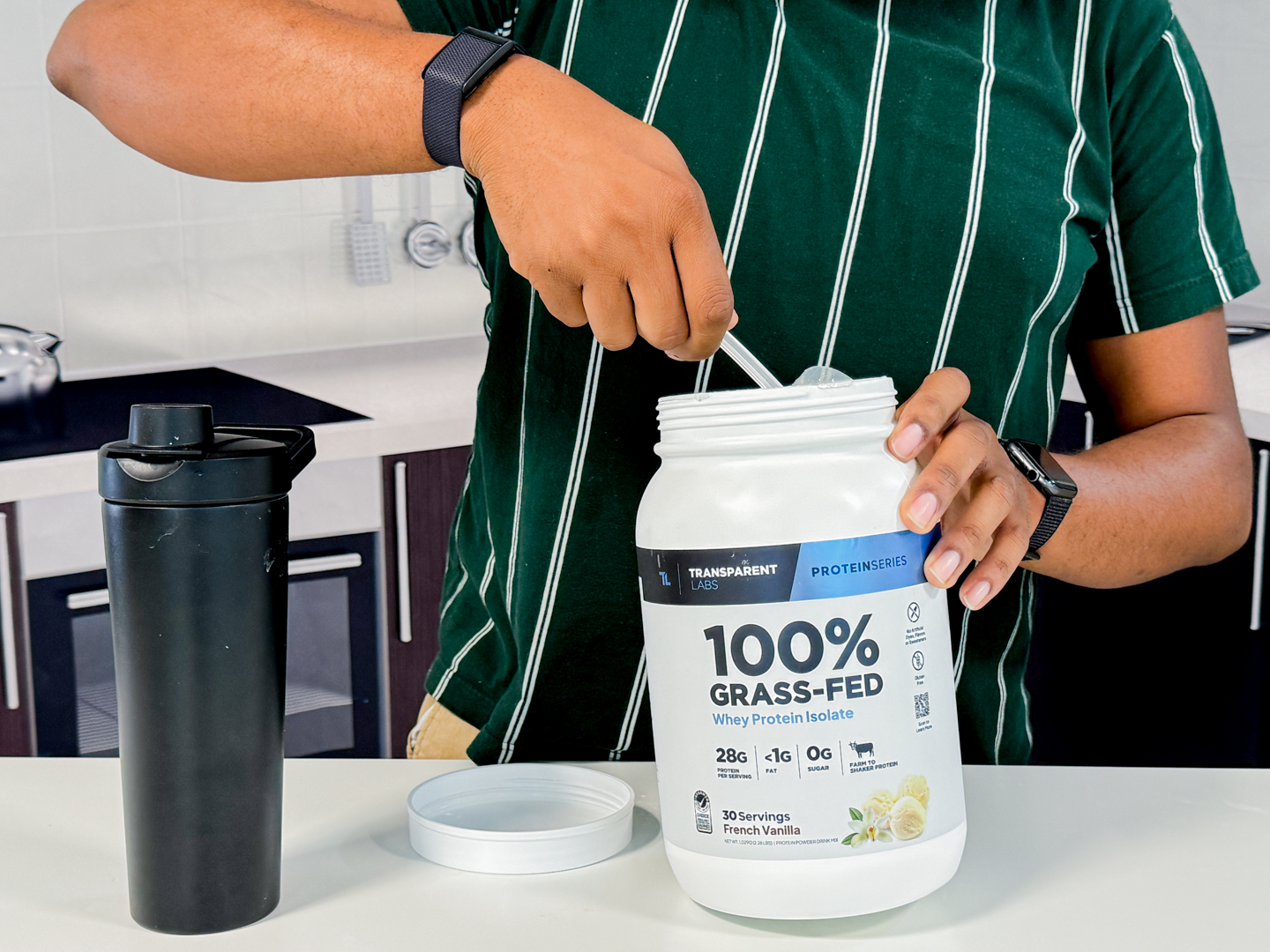
Whey vs. Plant: Matching Performance for Muscle Repair
The debate between animal and plant sources has evolved. While whey has traditionally been viewed as the best protein powder due to its high bioavailability and naturally high leucine content, plant-based protein for muscle repair has made significant strides. The key difference lies in the amino acid profile. Most plant proteins, such as pea or rice, are "incomplete" on their own, meaning they lack one or more essential amino acids.
However, recent research indicates that high-quality plant-based protein blends can match whey protein's effectiveness if the total amount of protein and leucine is high enough. To achieve the same muscle-building signal as 20g of whey, you typically need to consume about 30g of a plant-based blend. This is known as the "30g/3g Rule"—30 grams of plant protein to ensure you hit the 3-gram leucine threshold required to trigger recovery.
For those with a sensitive stomach, plant-based options often have an advantage. Dairy-based proteins like whey concentrate can contain lactose, which causes bloating for many. In these cases, a pea and brown rice blend or an egg white protein can provide excellent results without the digestive tax. Some premium brands also include digestive enzymes like protease or amylase to further assist in breaking down the protein for faster absorption.
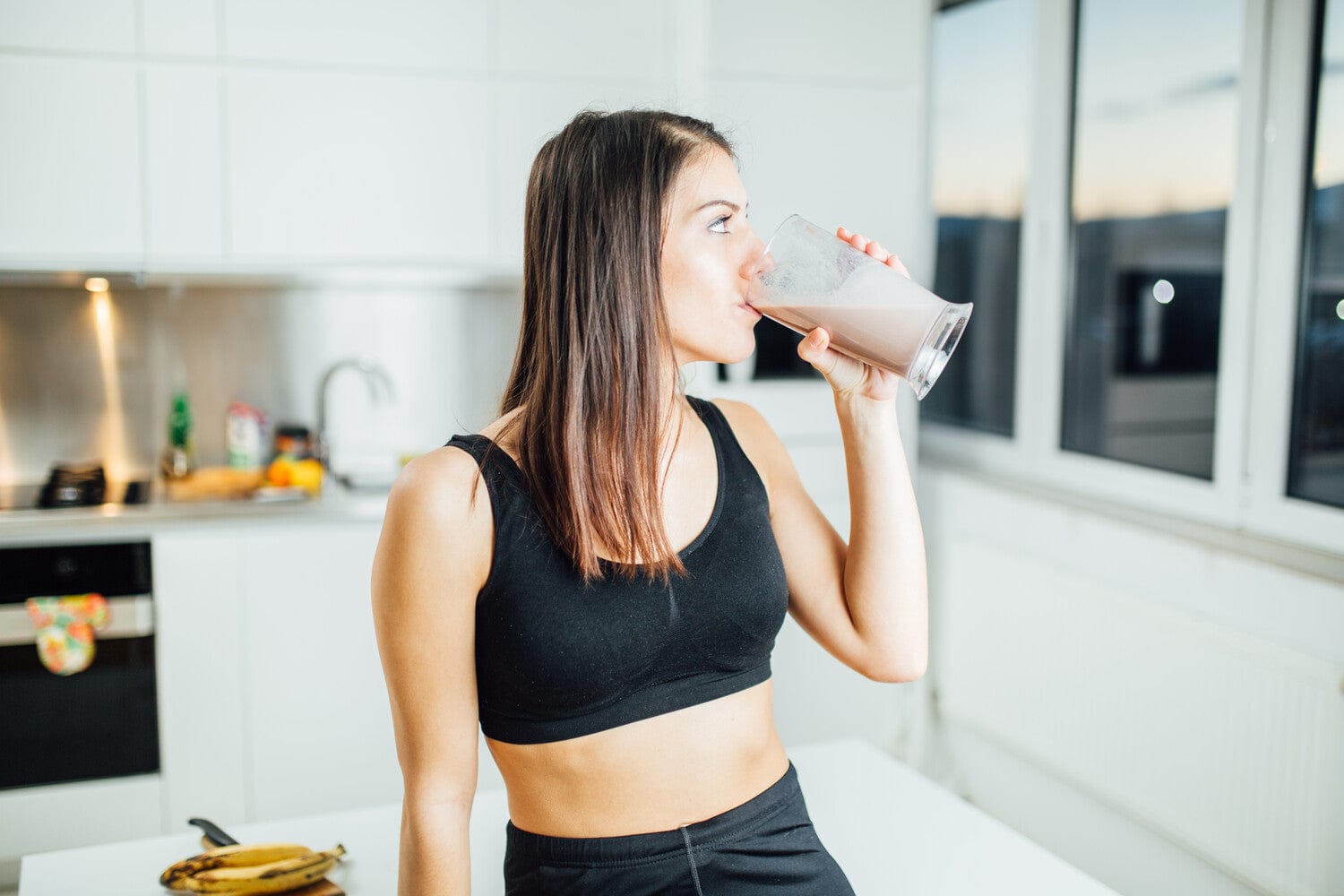
Advanced Recovery: Adaptogens and Bioavailability
If you have mastered the basics of protein timing and quality, you might look toward advanced formulations. Modern recovery powders are beginning to include adaptogens like maca and cordyceps. These botanicals don't directly build muscle, but they support the adrenal system and help the body manage exercise-induced stress. By lowering cortisol levels post-workout, these ingredients can create a more favorable hormonal environment for repair.
Bioavailability also varies by the "form" of the protein. When shopping, you will see concentrates, isolates, and hydrolysates.
- Concentrates: Usually 70-80% protein; contains more fats and lactose.
- Isolates: Processed to be >90% protein; lower in fat and sugar, and absorbed faster.
- Hydrolysates: "Pre-digested" proteins that are absorbed almost instantly; often the most expensive.
For most people, a high-quality isolate provides the best balance of price-per-pound and recovery speed. Beef protein isolate is an emerging top-tier choice for those who want high bioavailability without dairy. It provides a dense profile of collagen-specific amino acids which can also support joint health—a secondary but vital part of the recovery equation.
FAQ
Which protein powder is best for muscle growth?
Whey protein isolate is generally considered the most effective for muscle growth because it has the highest concentration of leucine and is absorbed rapidly by the muscles. However, any protein that provides a complete amino acid profile and is consumed in sufficient quantities will support muscle hypertrophy.
Is it okay to drink protein shakes every day?
Yes, it is perfectly safe to consume protein shakes daily as part of a balanced diet. They are a convenient way to meet your daily protein requirements, especially if you have a busy lifestyle. However, they should supplement, not replace, whole food sources like eggs, fish, and lean meats.
What is the healthiest type of protein powder?
The healthiest option is one that is third-party tested and contains minimal ingredients. Look for "clean" labels that avoid artificial sweeteners, synthetic dyes, and gums. For many, a grass-fed whey isolate or a sprout-based plant blend represents the cleanest choice for long-term health.
What is the difference between whey and plant-based protein?
Whey is derived from milk and is naturally a complete protein with high bioavailability. Plant-based proteins come from sources like peas, soy, or hemp and may need to be blended to provide a complete amino acid profile. Whey is typically absorbed faster, while plant proteins are often easier on the digestive system for those with dairy sensitivities.
How do I choose a high-quality protein powder?
Start by checking for a third-party seal like NSF or Informed Sport. Next, read the ingredient list; it should be short and free of artificial additives. Finally, ensure the protein count per scoop is high (at least 20-25g) and that the brand is transparent about their sourcing and heavy metal testing results.