Quick Facts
- Methodology: Utilizing physiological heart rate zones to target specific metabolic adaptations and energy systems.
- The Golden Rule: Maintaining an 80/20 balance between low-intensity aerobic work and high-intensity anaerobic efforts for optimal longevity.
- Key Metric: Using Heart Rate Recovery (HRR)—the drop in beats per minute after one minute of rest—as a primary benchmark for cardiovascular health.
- Core Formula: Implementing the Tanaka Formula (208 - 0.7 x age) for a more precise estimation of maximum heart rate compared to traditional methods.
- Fat Loss Zone: Training at 60% to 70% of maximum heart rate to maximize the percentage of calories derived from fat oxidation.
- Performance Ceiling: Incorporating Zone 4 and Zone 5 intervals to raise the lactate threshold and improve peak power output.
Heart rate training is a sophisticated system that uses your heart's beats per minute to define exercise intensity zones, allowing for targeted improvements in aerobic endurance, mitochondrial density, and peak anaerobic power. By establishing a specific target heart rate for fitness based on your individual physiology, you can move away from guesswork and ensure that every workout produces the exact adaptation required for peak performance.
Precision Metrics: Calculating Your Max HR and Zones
For years, the fitness industry relied on the simple "220 minus age" formula to determine maximum heart rate. However, as an editor focused on athletic performance, I find this method often misses the mark for highly active individuals. To get serious about heart rate training, we need better math.
The Tanaka Formula is a more evidence-based approach, calculated as 208 - (0.7 x age). This formula tends to be more accurate across various age groups and provides a more reliable ceiling for your intensity. Once you have this number, you can learn how to adjust training intensity using a heart rate monitor to stay within your prescribed boundaries.
For those looking for even greater precision, the Karvonen formula is the professional standard. Unlike basic percentage-of-max calculations, the Karvonen method incorporates your resting heart rate to determine your heart rate reserve. This reflects your actual fitness level, as a lower resting heart rate indicates a more efficient cardiovascular system and a larger "engine" for work. Knowing your baseline allows you to calibrate your zones so that a recovery day actually facilitates recovery, rather than turning into unintended moderate-intensity stress.

The 5 Zones: From Fat Loss to Peak Performance
Effective heart rate training categorizes exercise intensity into five distinct zones. Each zone triggers unique physiological changes, from building microscopic cellular machinery to increasing your tolerance for high-intensity pain. Understanding these heart rate zones explained in a technical context helps you choose the right tool for the job.
The American Heart Association (AHA) advises that individuals target a heart rate zone between 50% and 85% of their maximum heart rate to safely improve cardiovascular fitness. Within this broad spectrum, the nuances of each zone become clear:
| Zone | Intensity | Description | Physiological Focus |
|---|---|---|---|
| [Blue] Zone 1 | 50-60% | Very Light | Active recovery and improved blood flow. |
| [Green] Zone 2 | 60-70% | Light | Building mitochondrial density and aerobic base. |
| [Yellow] Zone 3 | 70-80% | Moderate | Improving aerobic power and efficiency. |
| [Orange] Zone 4 | 80-90% | Hard | Increasing lactate threshold and anaerobic capacity. |
| [Red] Zone 5 | 90-100% | Maximum | Improving VO2 max and neuromuscular power. |
One of the most overlooked aspects of performance is the benefits of zone 2 training for aerobic endurance. Training in Zone 2 forces the body to become highly efficient at utilizing fat as fuel. In fact, exercising at 60% to 70% of the maximum heart rate, often called the moderate-intensity zone, allows the body to utilize fat for approximately 65% of the calories burned during the workout. This zone builds mitochondrial density, which essentially gives your muscles more "power plants" to produce energy during long-duration efforts.
As you move into Zone 4 and Zone 5, the focus shifts toward raising the ceiling of what your body can handle. This is where you increase your lactate threshold, allowing you to sustain higher speeds for longer periods before the "burn" of metabolic byproducts forces you to slow down.
Aerobic vs. Anaerobic: The Threshold Battle
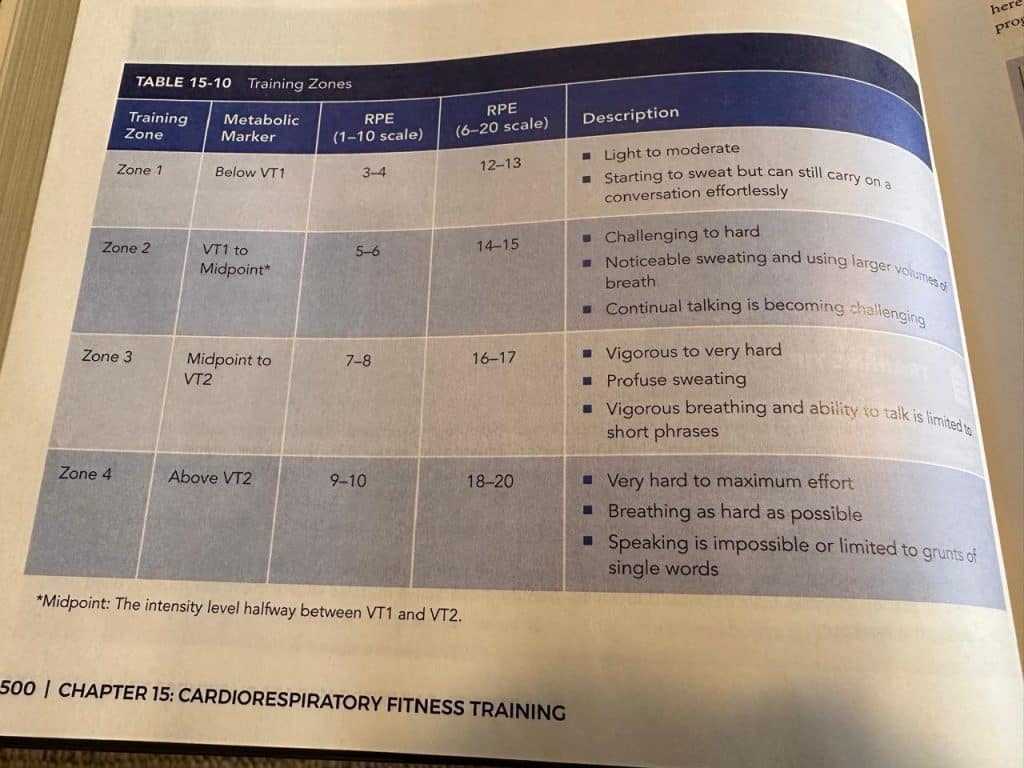
To optimize your programming, you must understand the fundamental divide of aerobic vs anaerobic training. Aerobic training involves steady, long-duration efforts where oxygen provides the primary energy source. This improves cardiovascular efficiency and heart stroke volume. Anaerobic training, conversely, consists of short, high-intensity bursts where oxygen demands exceed supply, relying instead on ATP and muscle glycogen.
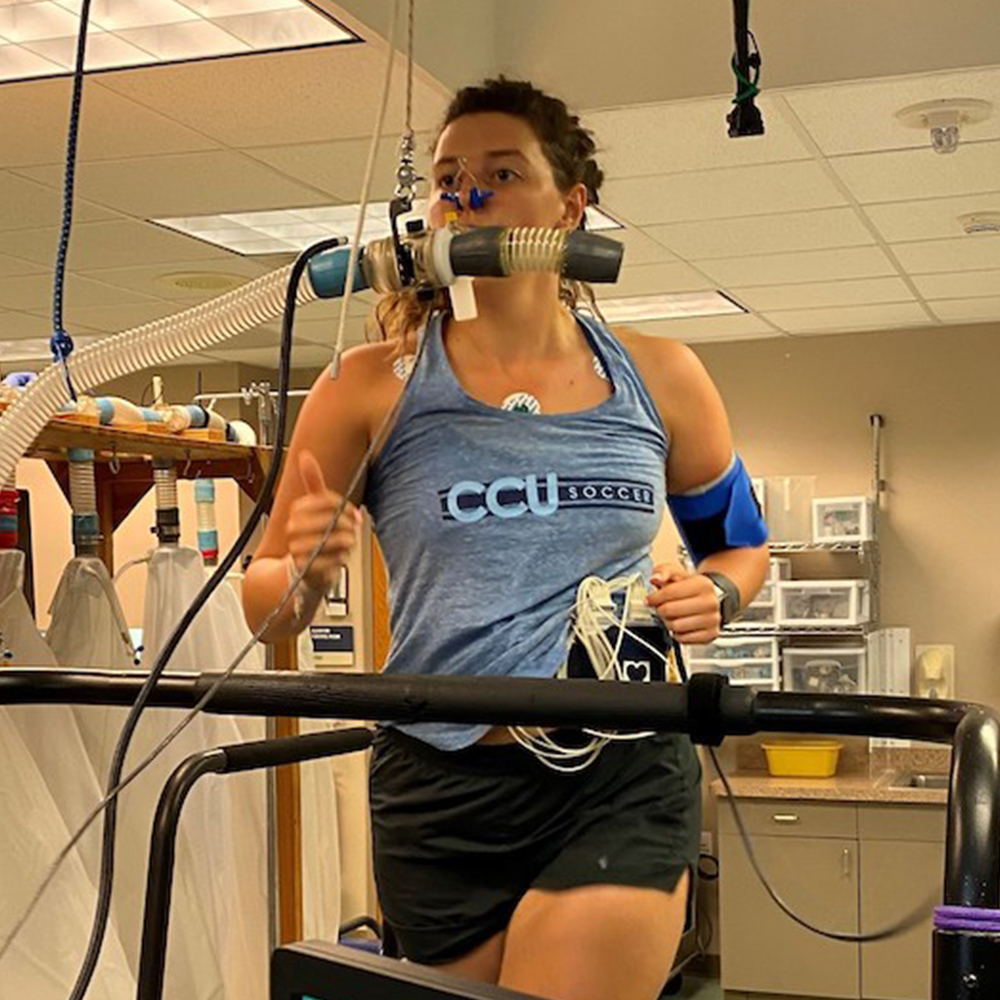
While lab tests for VO2 max are the gold standard, you can learn how to find your ventilatory threshold without a lab by using physiological cues. There are two critical milestones to monitor:
The first is ventilatory threshold 1 (VT1). This marks the transition from low-intensity aerobic work to moderate intensity. You can identify this using the talk test to monitor heart rate intensity. At VT1, your breathing becomes more noticeable, and while you can still speak, conversation becomes slightly difficult. This is generally the upper limit of Zone 2.
The second is ventilatory threshold 2 (VT2), often associated with the anaerobic threshold. The difference between vt1 and vt2 in fitness training is profound; at VT2, speech is no longer possible because your body is working so hard to clear carbon dioxide and pull in oxygen. Training at or just above VT2 is what builds the explosive strength and power required for sprinting or heavy lifting. For those who prefer subjective measures, the Borg scale or Rate of Perceived Exertion (RPE) can supplement your monitor data, helping you correlate how you feel with what the numbers say.
Strategic Programming: The 80/20 Rule for Longevity
The biggest mistake I see in the gym is the "grey zone" trap. Many athletes spend too much time in Zone 3—hard enough to be tiring, but not hard enough to trigger significant peak power adaptations. To avoid this, elite coaches often utilize the 80/20 rule: 80% of your training volume should be low-intensity (Zone 1 and Zone 2), while 20% should be high-intensity.
This structure is particularly effective when implementing heart rate training for high intensity interval training. By keeping the majority of your weekly miles or minutes in the aerobic zones, you build a massive foundation of mitochondrial density without overstressing your central nervous system. This allows you to go much harder during your 20% high-intensity sessions, where you truly push into the anaerobic zones.
The Centers for Disease Control and Prevention (CDC) recommends a target heart rate of 64% to 76% of the maximum heart rate for moderate-intensity activity and 77% to 93% for vigorous-intensity activity. By balancing these categories strategically, you ensure long-term progress while minimizing the risk of overtraining or burnout.
Post-Workout Analysis: Heart Rate Recovery (HRR)
Your workout doesn't end when you stop moving. One of the most vital indicators of cardiovascular efficiency is Heart Rate Recovery (HRR). This measures how quickly your heart rate drops in the first minute after stopping strenuous exercise.
A strong benchmark to aim for is the 20 BPM rule. Generally, a drop of 20 beats per minute or more in the first 60 seconds of rest indicates a healthy, well-conditioned heart. If your heart rate stays elevated for a long time after the effort ends, it may be a sign of fatigue, dehydration, or a lack of aerobic conditioning. By tracking HRR over time, you can see tangible proof of your fitness gains, even before you see changes in the mirror. Monitoring these trends alongside heart rate variability can provide a complete picture of your recovery status and readiness for the next high-intensity session.
FAQ
What are the benefits of heart rate training?
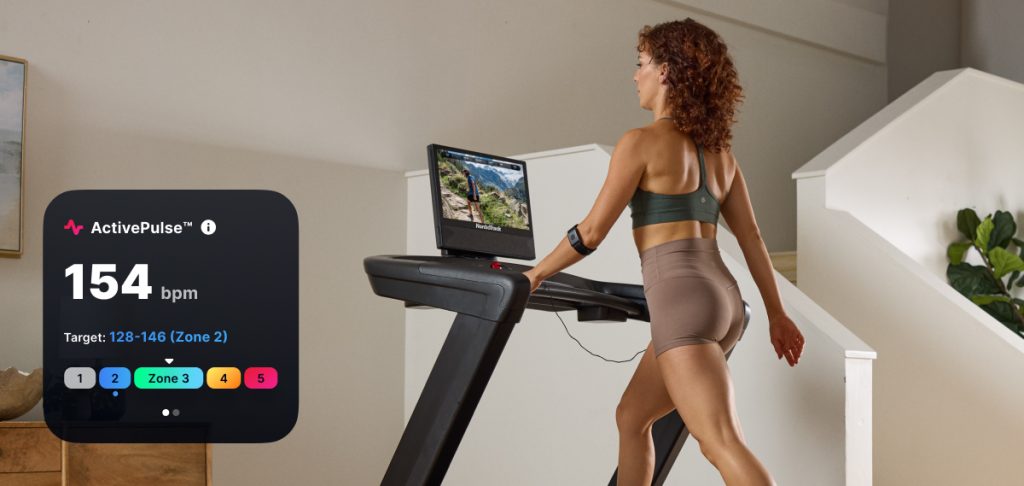
The primary benefits include the ability to personalize exercise intensity, prevent overtraining, and ensure specific physiological adaptations. By using your heart as a tachometer, you can target fat loss, increase aerobic endurance, or boost anaerobic power with scientific precision rather than relying on perceived effort alone.
How do I calculate my personal heart rate zones?
The most accurate way to calculate zones at home is using the Tanaka Formula (208 - 0.7 x age) to find your maximum heart rate. From there, you can apply the Karvonen formula by factoring in your resting heart rate to establish percentages that reflect your current cardiovascular efficiency and heart rate reserve.
What are the five heart rate zones and what do they mean?
The five zones range from Zone 1 (50-60%), which is for very light active recovery, to Zone 5 (90-100%), which represents maximum effort. Zone 2 is the foundation for aerobic base building, Zone 3 focuses on tempo and stamina, and Zone 4 targets the anaerobic threshold to improve performance under high-intensity stress.
Which heart rate zone is best for weight loss?
Zone 2 (60% to 70% of max heart rate) is often cited as the best for fat oxidation because the body utilizes a higher percentage of fat for fuel at this intensity. However, higher intensity zones burn more total calories per minute, so a combination of steady-state Zone 2 work and high-intensity intervals is usually the most effective strategy for body composition.
Do I need a chest strap monitor for accurate heart rate training?
While modern wrist-based optical sensors have improved significantly, chest strap monitors remain the gold standard for accuracy, especially during high-intensity intervals or weightlifting. Chest straps measure the electrical activity of the heart directly, whereas wrist sensors can sometimes experience lag or "cadence lock" during rapid changes in movement.