Quick Facts
- Duration: 20-40 minutes per session
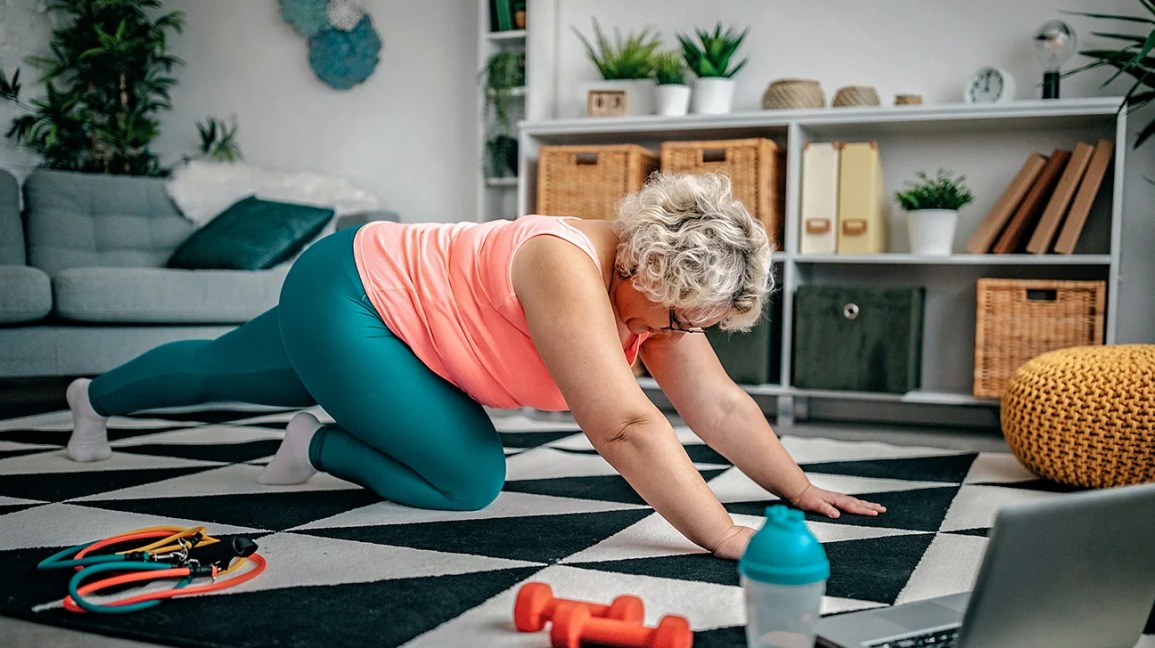
- Equipment: None (Bodyweight only)
- Intensity: Targets 80% of Maximum Heart Rate
- Caloric Burn: Approximately 600 calories per hour
- Frequency: Recommended 1-3 times per week
- Key Benefit: Improves VO2 Max and metabolic rate
To start an at-home bootcamp for beginners, focus on mastering fundamental bodyweight exercises like squats, lunges, push-ups, and planks. Structure sessions using a circuit format, performing each movement for 30 to 45 seconds followed by a short rest. Prioritize proper form over speed to build a safe foundation before progressing to more intense high-intensity home workouts.
The Science of Metabolic Conditioning
When we talk about an at-home bootcamp, we are really talking about metabolic conditioning. This isn't just about sweating; it is about changing how your body utilizes energy. One of the most significant advantages of this training style is the Afterburn Effect, scientifically known as Excess Post-exercise Oxygen Consumption (EPOC). This physiological state allows your body to continue burning calories at an elevated rate for up to 24 hours after you have finished your final set.
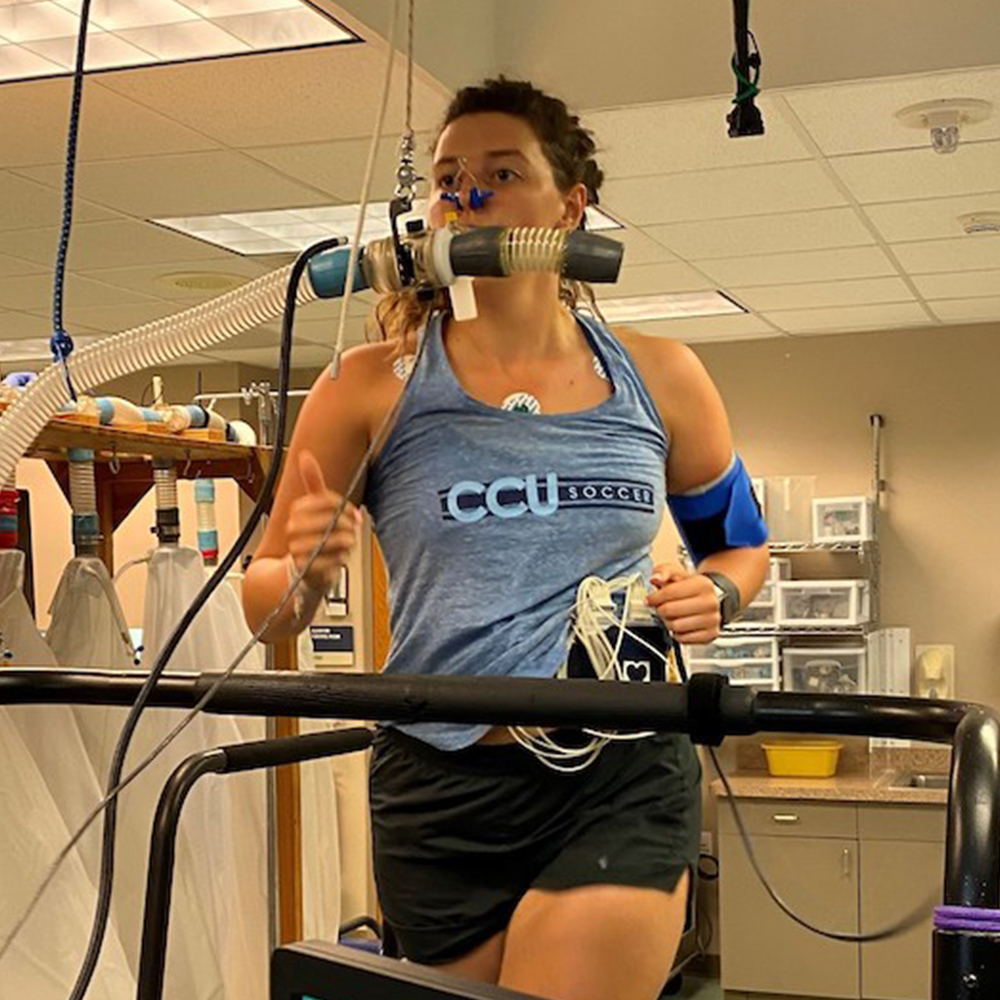
The data supporting this approach is robust. Research from Harvard Health indicates that ten weeks of no-equipment body-weight exercises can improve aerobic capacity by 33% and core muscle endurance by 11%. This is a staggering return on investment for routines that require zero specialized gear. By pushing your body through high-intensity home workouts, you are forcing your cardiovascular system to adapt, which directly increases your VO2 Max—the gold standard measurement of aerobic fitness.
Furthermore, these routines are incredibly time-efficient. High-intensity interval training, a primary method used in bootcamp routines, can reduce body fat as effectively as traditional moderate-intensity exercise while requiring 40% less total training time. If you are looking for at-home bootcamp exercises for weight loss without equipment, focusing on high-density circuits is the most scientifically sound path forward. You aren't just working harder; you are working smarter by leveraging your biology to maximize caloric expenditure.
The "Big 5" Movement Patterns
To build a truly effective full body bootcamp routine, you must stop thinking about isolated muscles and start thinking about movement patterns. Functional training focuses on how the body moves in real-world scenarios. In a no-equipment setting, we categorize these into the Big 5: Squat, Hinge, Push, Pull, and Core Stability.
The squat is your fundamental lower-body power move. Whether it is a standard air squat or an explosive jump squat, this movement targets the quads, glutes, and hamstrings. The hinge pattern, often neglected in bodyweight routines, is essential for the posterior chain. Exercises like the glute bridge or a single-leg Romanian deadlift (even without weights) focus on hip extension.
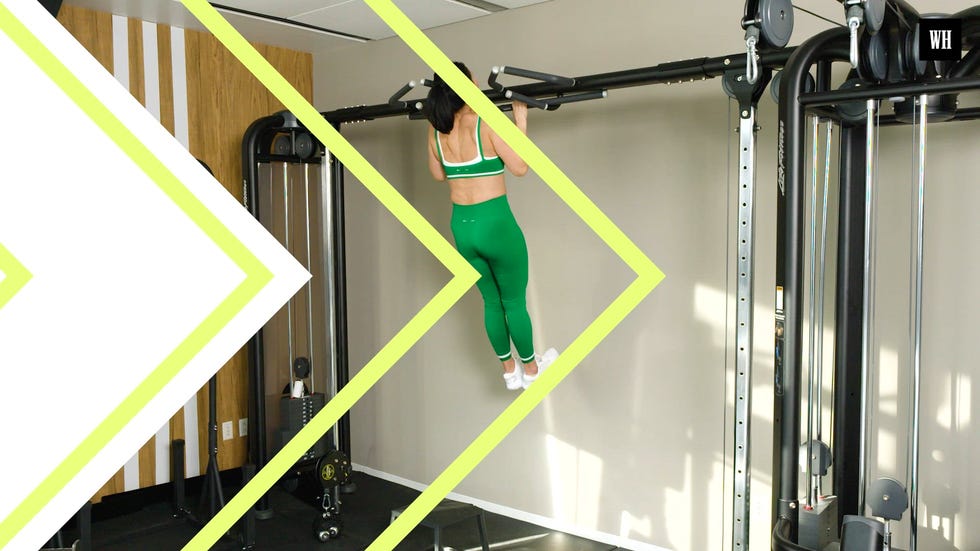
For the upper body, the push pattern is anchored by the classic push-up. It builds the chest, shoulders, and triceps while demanding significant core tension. The pull pattern can be trickier without a pull-up bar, but you can utilize floor-based "supermans" or "Y-T-W" raises to engage the lats and rhomboids. Finally, core stability is about more than just six-pack abs; it is about the ability of your trunk to resist unwanted movement, which is best trained through planks and hollow-body holds. Utilizing these multi-joint bodyweight bootcamp exercises ensures that every second of your workout contributes to total-body strength and metabolic demand.
How to Structure Your 30-Minute Circuit
The difference between a random collection of exercises and a professional at-home bootcamp is the structure. To keep the intensity high and the heart rate elevated, I recommend using either AMRAP (As Many Rounds As Possible) or EMOM (Every Minute on the Minute) protocols. These are the cornerstones of any 30-minute bodyweight bootcamp routine for busy schedules.
For a balanced session, follow this simple plug-and-play template:
- The Warm-up (5 Minutes): Focus on dynamic stretching. Think arm circles, leg swings, and a light jog in place. The goal is to lubricate the joints and raise the core temperature.
- The Main Circuit (20 Minutes): Select one exercise from each of the Big 5 categories. Perform each for 40 seconds of high-intensity effort, followed by 20 seconds of rest. Complete the entire circuit four times.
- The Finisher (3 Minutes): Choose one high-energy movement, like burpees or mountain climbers, and go for maximum effort to reach that target of 80% maximum heart rate.
- Cool Down (2 Minutes): Static stretching and deep breathing to signal to the nervous system that the work is done.
If you are dealing with a no-equipment bootcamp workout for small apartments, focus on vertical movements and stationary drills. You don't need a massive gym floor to perform high knees, tuck jumps, or lateral lunges. How to structure a full body bootcamp circuit at home comes down to maximizing the space you have by using explosive movements that keep you in one spot but drive the heart rate through the roof.
| Component | Protocol | Duration | Goal |
|---|---|---|---|
| Warm-up | Dynamic Drills | 5 Mins | Mobility |
| Power Block | AMRAP | 10 Mins | Strength/Endurance |
| Cardio Block | Tabata (20s/10s) | 10 Mins | Max Caloric Burn |
| Cool Down | Static Stretching | 5 Mins | Recovery |
Safety, Modifications, and Progression
Consistency is the key to results, and you cannot be consistent if you are sidelined by injury. While we want to push for intensity, safety is non-negotiable. This is especially true for those learning how to start at-home bootcamp for beginners. If a movement feels wrong or causes sharp pain, stop immediately and check your form.
Low-impact modifications for at-home bootcamp exercises are your best friend if you have joint concerns or are just starting out. Instead of jump squats, perform rapid-fire air squats. Instead of full burpees, try "step-back" burpees where you eliminate the jump and the push-up. These modifications allow you to maintain the metabolic intensity of high-intensity home workouts without the high-impact stress on your knees and ankles.
Progressive overload is also vital. In a no-equipment setting, you can't just add more weight to a bar, so you must find other ways to progress. You can increase the "time under tension" by slowing down the eccentric phase of a move, decrease the rest intervals between sets, or increase the total number of repetitions in a set timeframe. Remember the importance of Active Recovery. Don't try to do a bootcamp every single day. Your muscles need time to repair and adapt. High-intensity bootcamp workouts are designed to help participants reach an average of 80% of their maximum heart rate and can burn approximately 600 calories per hour, but that level of output requires adequate rest to avoid overtraining.
FAQ
Are at-home bootcamps effective?
Yes, they are highly effective for improving cardiovascular health and building functional strength. By utilizing bodyweight bootcamp exercises in a high-intensity circuit, you can achieve significant fat loss and muscle toning results similar to those found in a professional gym setting.
What equipment is needed for an at-home bootcamp?
The beauty of an at-home bootcamp is that no equipment is strictly necessary. Your own body weight provides sufficient resistance for all the fundamental movement patterns. While some might eventually add bands or dumbbells, you can successfully complete a full body bootcamp routine using nothing but a small amount of floor space.
Can you lose weight doing a bootcamp at home?
Absolutely. Because these workouts focus on metabolic conditioning and keep your heart rate elevated, they are excellent for weight loss. The high caloric expenditure during the workout combined with the Afterburn Effect ensures you are burning fat long after the session ends.
Are at-home bootcamps good for beginners?
They are excellent for beginners because they are infinitely scalable. By using low-impact modifications for at-home bootcamp exercises, a beginner can start at a lower intensity and gradually increase the difficulty as their fitness level improves.
How many days a week should I do a bootcamp workout?
For most people, 1 to 3 times per week is the "sweet spot." Because these are high-intensity home workouts, your body needs time to recover between sessions. On your off days, focus on light activity like walking or yoga to promote blood flow without adding systemic fatigue.
What is the difference between a bootcamp and HIIT?
While the terms are often used interchangeably, a bootcamp is generally a broader training style that incorporates HIIT principles but also focuses heavily on functional training and total-body conditioning. HIIT is a specific timing protocol (short bursts of max effort followed by short rest), whereas a bootcamp uses those protocols within a larger variety of movement patterns.

Mastering the at-home bootcamp is about more than just the physical transformation; it is about building mental toughness. When you are halfway through a grueling AMRAP and your lungs are burning, that is where the real growth happens. You don't need a fancy gym or expensive machines to become an elite version of yourself. All you need is a plan, a little bit of floor space, and the discipline to show up for yourself. Start with a 30-minute bodyweight bootcamp routine for busy schedules today, and let the results speak for themselves.