Quick Facts
- Prevalence: It is estimated that dystonia affects 30% or more of individuals diagnosed with Parkinson's disease.
- Recovery Threshold: Consistency is key; performing at least 2.5 hours of weekly physical activity significantly slows the decline of mobility.
- Primary Mechanism: Recovery focuses on neuroplasticity, using protocols like LSVT BIG and PWR! to retrain the brain's movement amplitude.
- Clinical Standard: Advanced options like Deep Brain Stimulation (DBS) can provide a symptom reduction of approximately 50 percent for specific forms of dystonia.
- Home Safety: To prevent falls during exercise, always perform balance movements in a corner or near a sturdy kitchen counter.
- Early Detection: Research indicates that approximately 16% of patients develop dystonia as a presenting symptom prior to their official Parkinson's diagnosis.
Effective Parkinson's dystonia management combines targeted physical therapy for parkinson's dystonia with precise dopaminergic medication timing to control involuntary contractions and muscle rigidity. By integrating a stretching routine for parkinson's muscle stiffness and specialized strength training, patients can maintain neuromuscular control and improve their overall range of motion for better long-term wellness.
Understanding Parkinson's Dystonia vs. Dyskinesia
Living with Parkinson's involves navigating a complex landscape of motor symptoms. While many people are familiar with the rhythmic tremors associated with the condition, dystonia is a distinct challenge. It manifests as sustained or repetitive involuntary contractions that cause twisting, pulling, or cramping in various muscle groups. Unlike dyskinesia—which often appears as flowing, dance-like movements usually caused by long-term medication use—dystonia is characterized by excessive muscle tone and painful stiffness.
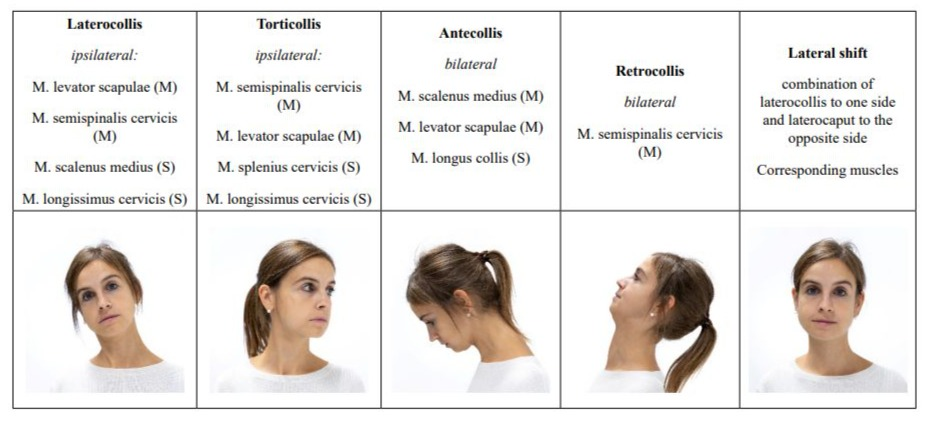
For many, identifying symptoms correctly is the first step toward effective management. Dystonia can affect the feet, causing toes to curl or the ankle to turn inward, or it can manifest in the neck, known as cervical dystonia. Interestingly, about 16% of individuals experience these muscle spasms as an initial sign of the disease before a formal diagnosis is even made.
Managing parkinson's muscle spasms at home often requires a keen understanding of motor fluctuations. These fluctuations are frequently linked to the timing of levodopa doses. Patients often experience morning dystonia, which occurs when medication levels are at their lowest after a night's sleep, or off-period dystonia, which happens as a dose wears off. Recognizing these patterns allows you to work with your care team to synchronize your activity with your peak medication windows, ensuring your muscles are most receptive to movement.
Physical Therapy: The Core of Recovery
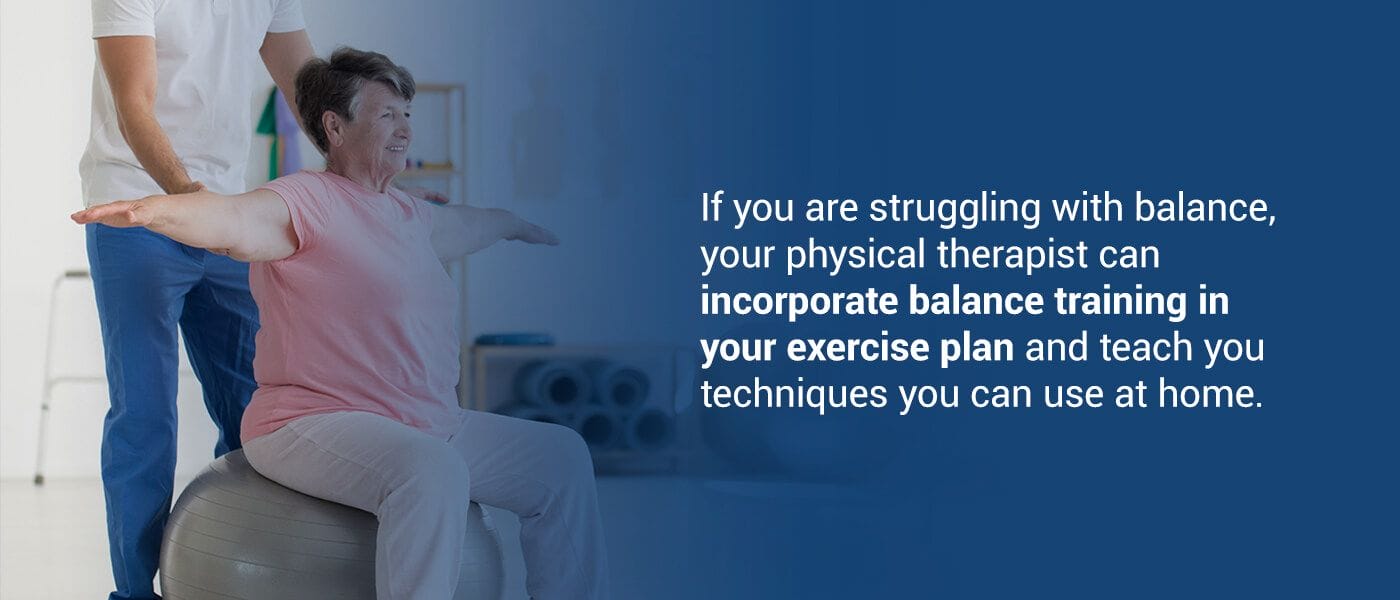
When we view movement as medicine, physical therapy for parkinson's dystonia emerges as the most vital component of a holistic recovery plan. The goal is not just to move, but to move with intention and amplitude. Evidence-based protocols, such as LSVT BIG, focus on "re-calibrating" the brain's perception of movement size, helping patients overcome the small, shuffling steps that often accompany neurological rigidity.
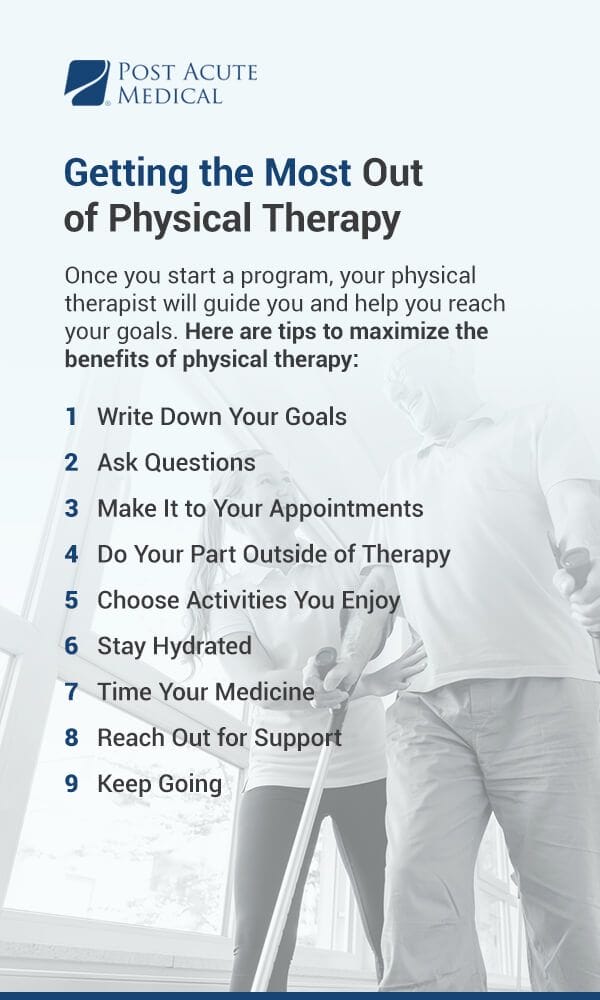
The recovery process is generally built upon four essential pillars:
- Aerobic Conditioning: Activities like brisk walking or cycling increase heart rate and promote brain health.
- Stretching and Flexibility: Targeted routines address the specific muscle groups prone to involuntary contractions.
- Balance Training: Exercises designed to improve gait stability and prevent falls.
- Agility and Dual-Tasking: Practicing complex movements that require cognitive focus, such as stepping over obstacles while talking.
For those looking for a low-impact environment, pool-based therapy for parkinson's dystonia relief is an excellent choice. The natural buoyancy of water supports the body’s weight, which reduces the strain on joints affected by muscle spasms. Meanwhile, water resistance provides a gentle way to build muscle strength and improve posture correction without the high risk of falling associated with land-based exercise. This therapeutic environment allows for a greater range of motion and helps retrain neuromuscular control in a safe, soothing setting.
At-Home Exercises for Muscle Spasm Relief
While professional therapy sessions are foundational, the real progress happens during your daily routine. Implementing a consistent stretching routine for parkinson's muscle stiffness can prevent the muscles from shortening and becoming permanently tight.
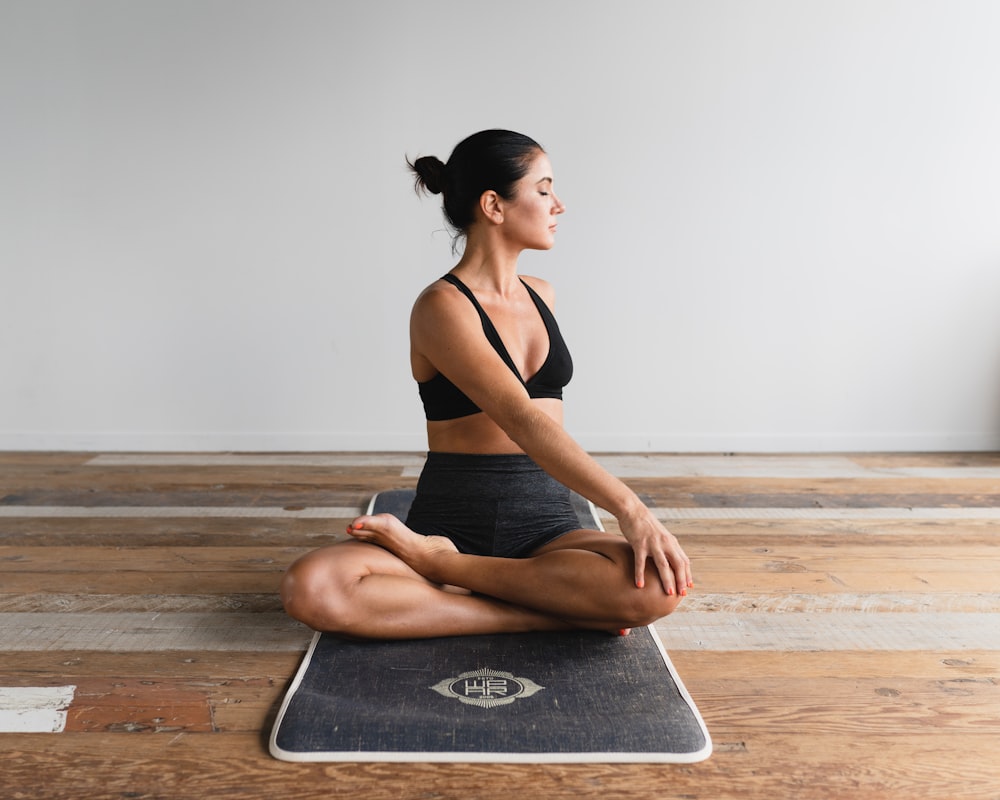
Focus on the major muscle groups that impact your posture and walking. For example, stretching the calves and hamstrings can help alleviate the "toe-curling" sensation of foot dystonia. A recommended approach is to hold each stretch for 30 to 60 seconds, repeating it three times daily.
Balance training for parkinson's gait instability is equally crucial for maintaining independence. One of the most effective movements is the single-leg stand.
Safety Tip: Always perform balance exercises while standing in a corner or holding onto a heavy, stable piece of furniture like a kitchen counter. This provides a safety net if you lose your balance.
To perform the single-leg stand, lift one foot slightly off the floor and try to maintain your balance for 10 to 30 seconds. This exercise trains the brain to better process sensory input from the joints and muscles, which is essential for leg exercises for parkinson's dystonia fall prevention.

Additionally, strength training with light weights for parkinson's helps maintain the integrity of the muscle-nerve connection. Simple movements like wrist curls using 1 to 5 lb weights can preserve hand dexterity. Aim for two sets of 12 repetitions. These small but consistent efforts contribute significantly to managing parkinson's muscle spasms at home.

Clinical Interventions and Lifestyle Adaptations
When exercise and medication timing aren't enough to provide full relief, advanced clinical treatments can offer a bridge to better quality of life. Many specialists utilize botulinum toxin injections to treat focal dystonia. By injecting the toxin directly into the overactive muscle—often guided by ultrasound or EMG—the muscle is temporarily weakened, which stops the painful contractions. This treatment is particularly effective for neck or foot spasms and usually needs to be repeated every three months.
For those with more advanced symptoms or severe motor fluctuations, deep brain stimulation remains a highly effective surgical option. By delivering electrical pulses to specific areas of the brain, DBS can help regulate the signals that cause involuntary contractions, often leading to a significant reduction in the amount of levodopa required.
Occupational therapy is another critical resource, providing daily living adaptations for parkinson's dystonia. These professionals help you modify your environment to reduce stress on your body. This might include:
- Adaptive Tools: Using weighted utensils to combat tremors or long-handled shoehorns to manage foot stiffness.
- Mobility Aids: Recommending the right walker or cane to maintain gait safety during "off" periods.
- Environmental Cues: Placing visual markers on the floor to help overcome "freezing" during walking.
Lifestyle habits also play a supportive role. Proper hydration—aiming for about 8 cups of water a day—is essential for muscle health and can help minimize the cramping associated with dehydration. Furthermore, integrating mindfulness and stress-reduction techniques can lower the overall nervous system arousal that often worsens muscle spasms.
FAQ
How do you manage foot dystonia in Parkinson's disease?
Management typically involves a combination of stretching the calves and toes to alleviate cramping, using orthotic inserts to correct foot positioning, and coordinating levodopa doses to ensure medication is active during walking. In more severe cases, botulinum toxin injections can be used to relax the specific muscles causing the toes to curl.
Does levodopa help with Parkinson's-related dystonia?
Yes, levodopa is often very effective, but its success depends on timing. Dystonia frequently occurs as a "wearing-off" symptom when medication levels drop. Adjusting the dosage or using extended-release formulations can help maintain more consistent levels in the bloodstream, thereby reducing spasms.
Can physical therapy improve Parkinson's dystonia?
Absolutely. Physical therapy is essential for maintaining joint flexibility and retraining the brain's control over affected muscles. Specialized programs like LSVT BIG focus on large-amplitude movements to counteract the stiffness and small movements caused by dystonia.
How can I reduce morning dystonia in Parkinson's?
Morning dystonia is usually caused by a lack of dopamine after sleeping. To reduce it, some patients take a dose of controlled-release medication before bed or keep a dose of fast-acting medication at their bedside to take immediately upon waking, allowing it to work before they attempt to get out of bed.
Is Botox effective for Parkinson's dystonia?
Botulinum toxin injections are considered a gold-standard treatment for focal dystonia, such as spasms in the neck or feet. By blocking the chemical signals that tell muscles to contract, Botox provides localized relief that can last for several months.
Effective Parkinson's dystonia management is a marathon, not a sprint. By combining medical expertise with a dedicated daily routine of physical therapy for parkinson's dystonia, you can reclaim control over your movements and enhance your long-term wellness. Always consult with a movement disorder specialist to tailor these strategies to your unique needs.