Quick Facts
- Timeline: A structured 12-week phased progression to ensure long-term success.
- Primary Focus: Prioritizing compound movements over isolation exercises to maximize efficiency.
- Frequency: Aim for three full-body strength training sessions per week to allow for adequate recovery.
- Recovery Strategy: Utilize active recovery methods like walking and stretching to manage muscle soreness.
- Nutrition Benchmark: Target a minimum of 20g of protein post-workout to support muscle repair.
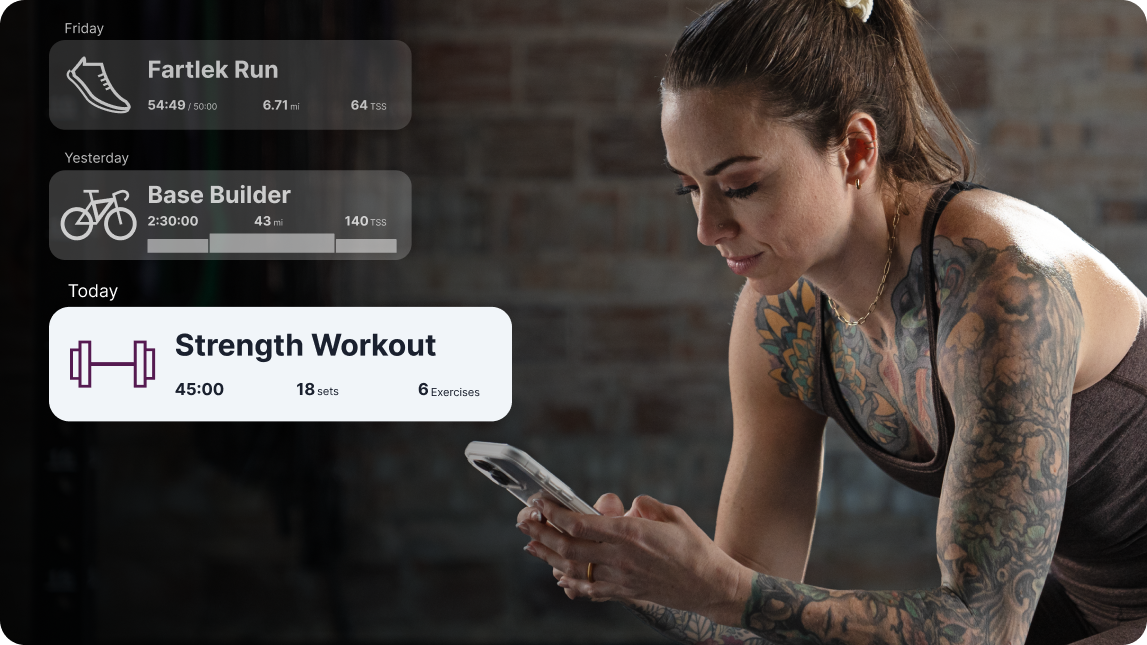
- Goal Setting: Treat every workout as a non-negotiable appointment in your digital calendar.
Transitioning from summer relaxation to a structured gym schedule requires more than just willpower; it needs a roadmap. This PT-approved post-summer fitness routine focuses on building a foundation first, ensuring you avoid burnout while reclaiming your strength. To successfully implement a post-summer fitness routine, prioritize consistency by starting with three 30-minute full body strength training sessions for beginners each week. Focus on basic compound movements for the first 4 weeks before introducing high-intensity work to ensure long-term injury prevention.

The 12-Week Post-Summer Roadmap
| Phase | Duration | Primary Goal | Key Method |
|---|---|---|---|
| Phase 1: Foundation | Weeks 1-4 | Structural Integrity | Functional fitness & mobility |
| Phase 2: Momentum | Weeks 5-8 | Hypertrophy & Strength | Progressive overload & tempo |
| Phase 3: Performance | Weeks 9-12 | Metabolic Conditioning | High intensity & peak power |
| Deload | Week 8 | Recovery | Reduced volume (50%) |
Phase 1: Re-Establishing the Foundation (Weeks 1-4)
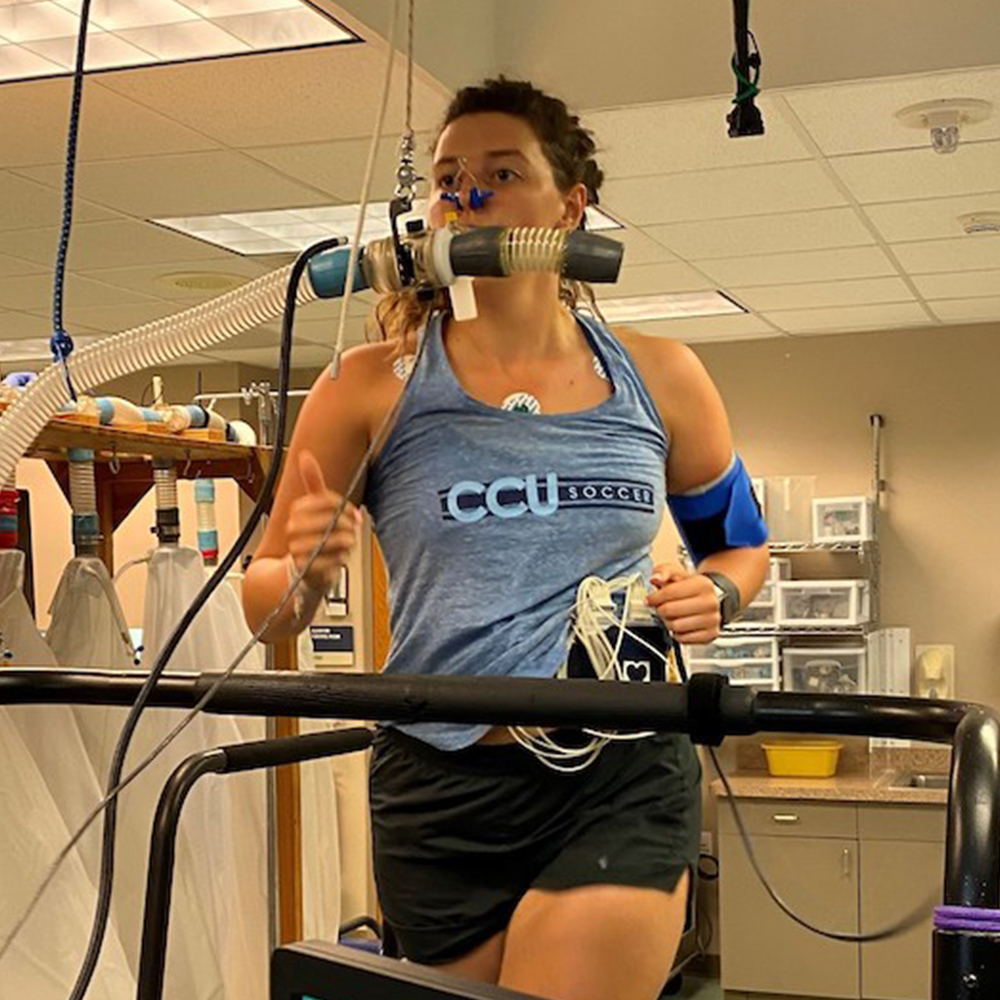
The first four weeks are not about setting personal records; they are about re-educating your central nervous system. After a hiatus, your cardiovascular fitness begins to decline rapidly. In fact, research shows that VO2 max can suffer a 7% decrease in VO2 max after just four weeks of detraining. Therefore, jumping straight into a high-intensity interval training (HIIT) class is a recipe for injury.
During this phase, we focus on functional fitness and core stability. We use light weights to emphasize intentional reps. This means every movement is slow, controlled, and technically perfect. By rebuilding cardiovascular stamina after a summer hiatus through low-impact activities like walking or light cycling, you prepare your heart and lungs for the heavier work ahead.
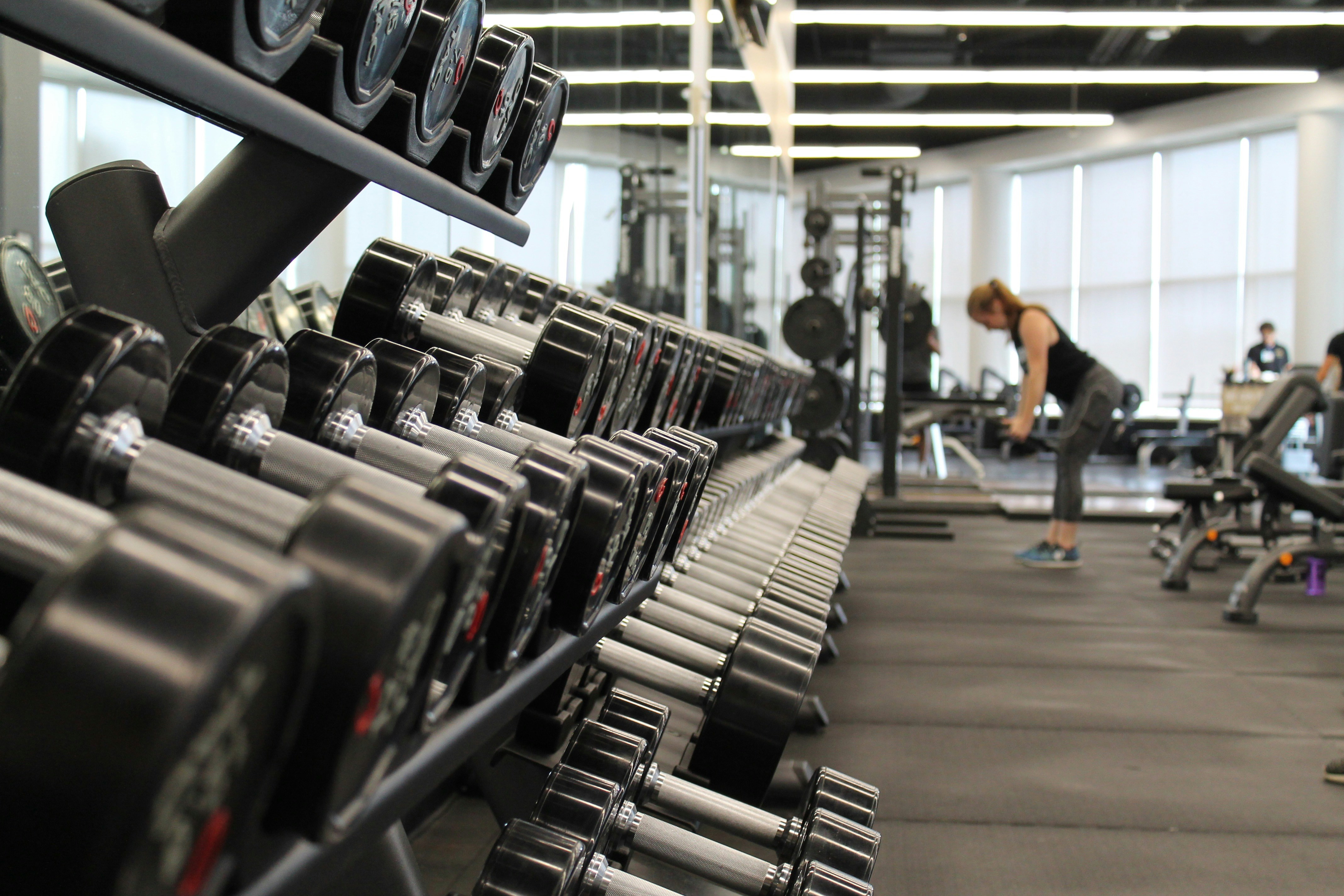
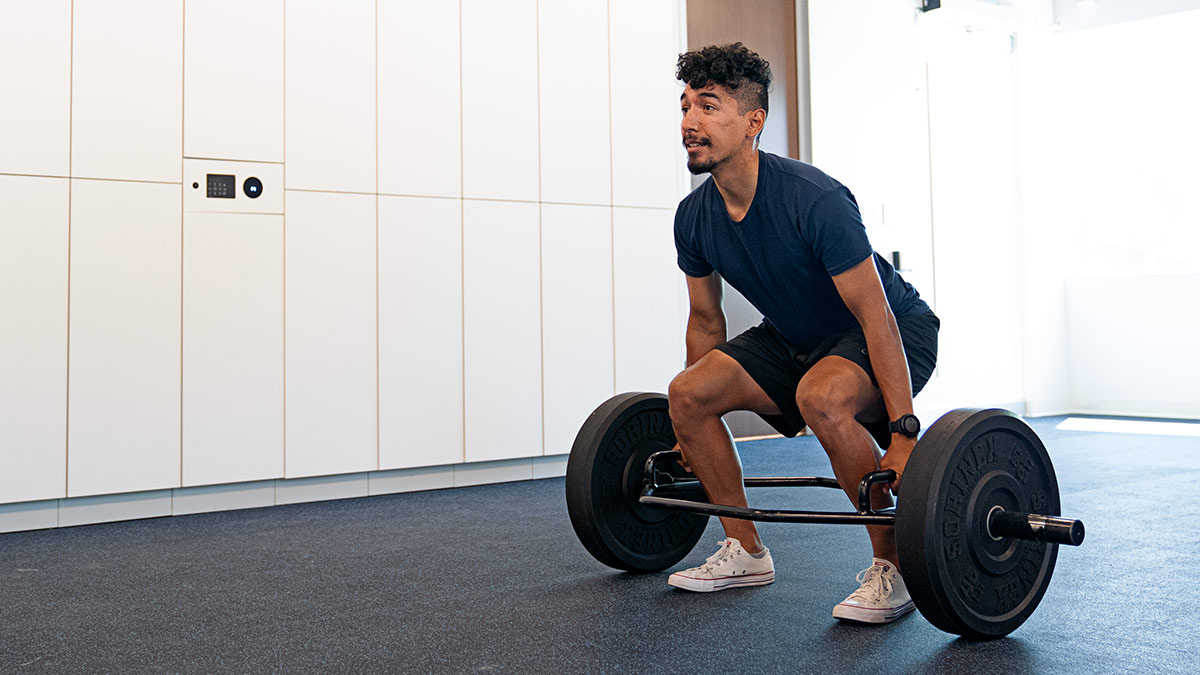
When selecting exercises, beginner compound movements for post-summer strength training should be your bread and butter. These movements involve multiple joints and muscle groups, providing the most "bang for your buck" in terms of metabolic demand and functional carryover.
Exercise Regressions (Gym vs. Home)
- Lower Body: Goblet Squats (Gym) vs. Air Squats to a chair (Home)
- Upper Push: Dumbbell Bench Press (Gym) vs. Incline Push-ups (Home)
- Upper Pull: Seated Cable Row (Gym) vs. TRX rows or door-frame rows (Home)
- Core: Plank (Gym/Home) or Deadbugs (Gym/Home)
PT Pro-Tip: The Foundation Check Before adding weight, ensure you can perform 15 reps of a movement with perfect form. If your knees cave during a squat or your back arches during a press, stay at the current weight. Technique is the ceiling for your strength.
Phase 2: Building Momentum & Progressive Overload (Weeks 5-8)
Once your joints are accustomed to moving again, it is time to shift toward resistance training with a focus on hypertrophy (muscle growth). This is where we introduce progressive overload, the systematic increase of weight, frequency, or number of repetitions in your exercise routine. This is the only way to ensure your body continues to adapt and get stronger.
Creating a realistic fall fitness schedule for beginners involves moving from "showing up" to "stepping up." In this phase, we introduce tempo notation. You will often see this written as 3:1:2:0. This represents the seconds spent on the eccentric (lowering), the pause at the bottom, the concentric (lifting), and the pause at the top. This increases time under tension, which is a primary driver for muscle growth.
Gym attendance typically sees a 10% to 15% increase during September and October. Use this energy to your advantage but stay focused on your specific roadmap. In week 8, we schedule a deload. You will still go to the gym, but you will reduce the weight and volume by 50%. This allows your tendons and nervous system to recover, preventing the mid-autumn "wall" many athletes hit.
Phase 3: Performance & Intensity (Weeks 9-12)
By week nine, your body is a refined machine ready for higher demands. This is the phase where we incorporate metabolic conditioning. We transition from traditional sets and reps into circuits or shorter rest periods to challenge your anaerobic threshold.
The goal here is to maintain the strength you built in Phase 2 while stripping away any unwanted summer "padding" through increased caloric expenditure. You are no longer just restarting exercise after a break; you are training for performance. As the days get shorter and the temperature drops, the mental habit formation from the previous eight weeks becomes your greatest asset. Treat your sessions like a wellness reset that prepares you for the holiday season ahead.
Strategic Recovery & Nutrition Benchmarks
You don't get stronger in the gym; you get stronger while you sleep. Recovering from a post-summer fitness routine requires a disciplined approach to what you put in your body and how you treat your muscles between sessions.
Preventing muscle soreness when returning to the gym, specifically delayed onset muscle soreness (DOMS), is best achieved through light movement. If you are stiff the day after a leg session, don't sit on the couch. Instead, engage in active recovery like a 20-minute walk or a series of mobility drills. This increases blood flow to the damaged tissues, flushing out metabolic waste and delivering fresh nutrients for repair.
Nutrition for the Return
Your post-workout nutrition for muscle recovery after a break should be centered around protein and carbohydrates.
- Protein: Aim for at least 20g to 30g of high-quality protein within two hours of training. This triggers muscle protein synthesis.
- Carbohydrates: These are vital for glycogen replenishment. After a long summer break, your muscles are less efficient at storing energy; carbs help "refill the tank."
- Hydration: If you are using supplements like creatine, stick to a standard 5g per day dose and ensure you are drinking at least 3 liters of water daily.

PT Pro-Tip: The 7-Hour Rule No amount of foam rolling can replace sleep. Aim for 7 to 9 hours of quality sleep. During deep sleep, your body releases growth hormone, which is the primary driver for tissue repair.

Overcoming Mental Barriers
The hardest lift you will do all season is the one required to get your gym bag into the car. Psychological resistance is often higher than physical resistance when how to restart exercise after a long summer break is the question.
To combat this, I recommend the Appointment Metaphor. You wouldn't miss a doctor’s appointment or a meeting with your boss just because you "didn't feel like it." Treat your fitness sessions with the same level of professional respect. Put them in your calendar and set reminders.
Furthermore, how to overcome gym anxiety after a break is a common hurdle. The "spotlight effect" makes us feel like everyone is watching our technique or judging our weights. In reality, everyone is focused on their own reflection. If you feel overwhelmed, start with a simple 15-minute routine in a quiet corner of the gym using just dumbbells. Once you build momentum, your confidence will naturally follow.
FAQ
How do I start a fitness routine after summer break?
Start by choosing a manageable frequency, such as three days a week, rather than attempting a daily routine immediately. Focus on full-body sessions that utilize compound movements for strength training to re-engage all major muscle groups efficiently. The key is to prioritize showing up over the intensity of the actual workout for the first two weeks.
What is the best way to get back into the gym after vacation?
The most effective approach is a phased re-entry. Begin with a week of lower-intensity movement to assess your current fitness level and identify any areas of tightness. Use this time to perform mobility drills and familiarize yourself with the equipment again without the pressure of lifting heavy weights.
How long does it take to regain fitness after taking the summer off?
While cardiovascular endurance can begin to drop within 14 days, muscle memory allows strength to return relatively quickly. Most individuals can expect to regain their pre-summer strength and stamina within 4 to 6 weeks of consistent, structured training. Following a dedicated 12-week roadmap will ensure these gains are sustainable.
What are some tips for transitioning from summer to fall workouts?
Transition by shifting your focus from outdoor, unstructured activities to indoor, goal-oriented sessions. Prepare your gear the night before to reduce friction and consider joining a group class or finding a gym buddy to provide external accountability as the weather cools down and motivation naturally fluctuates.
How do I create a sustainable fall fitness schedule?
A sustainable schedule is one that fits into your actual life, not your ideal life. Look at your work and social commitments for the next three months and identify three 45-minute windows that are consistently free. Mark these as non-negotiable appointments in your calendar to ensure they remain a priority.
How can I get back into a healthy eating and exercise routine?
Focus on one change at a time rather than an entire lifestyle overhaul. Start by re-establishing your workout schedule in week one, then address your protein intake in week two. By layering these habits, you avoid the "all or nothing" mentality that leads to burnout and ensure you are providing the necessary post-workout nutrition for muscle recovery after a break.