Quick Facts
- Normal Range: A standard normal resting heart rate ranges from 60 to 100 beats per minute for most healthy adults.
- Athletic Baseline: Well-trained endurance athletes often record a baseline between 30 and 40 beats per minute due to high cardiovascular efficiency.
- Mortality Marker: Research indicates that every 10-beat-per-minute increase in resting heart rate is associated with a 9% higher risk of all-cause mortality.
- Cardiovascular Risk: Individuals with a heart rate greater than 80 beats per minute face a 33% higher relative risk for cardiovascular mortality compared to those in the lowest categories.
- Measurement Timing: For the most accurate data, you should measure your pulse first thing in the morning before consuming caffeine or experiencing daily stress.
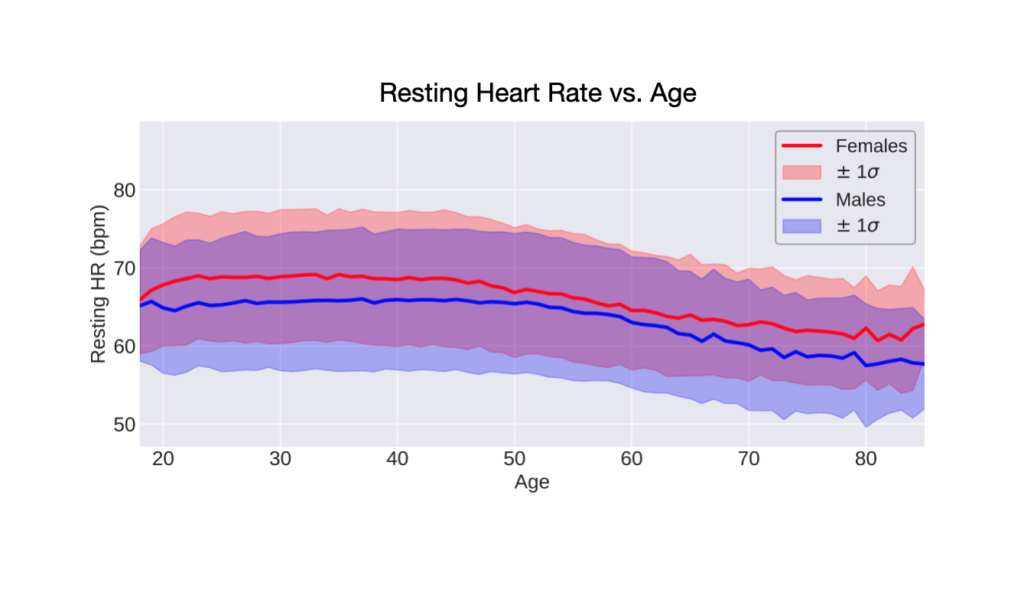
- Gender Factors: Women typically have an average resting heart rate slightly higher than men, often ranging between 78 and 82 beats per minute compared to 70 to 72 for males.
Your resting heart rate indicates your cardiovascular efficiency and overall fitness levels. Generally, a lower rate suggests a stronger heart muscle capable of pumping a larger volume of blood with each beat, a process known as increased stroke volume. While a standard range for most adults is between 60 and 100 beats per minute, a decreasing baseline often reflects improvements in aerobic conditioning and heart health.
The Physiology of Fitness: Why RHR Matters
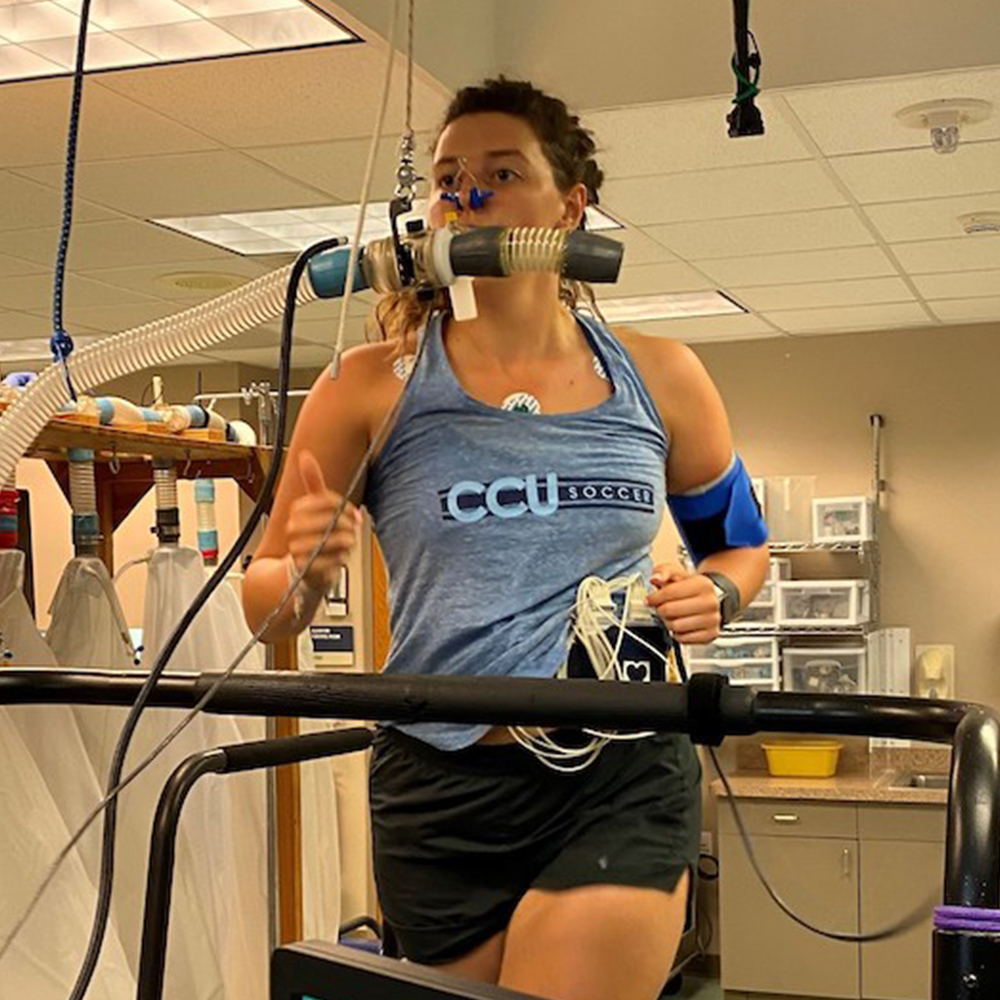
When we talk about fitness, we often focus on how fast we can run or how much we can lift. However, as a coach, I look at the resting heart rate as one of the most honest metrics of your internal engine. At its core, your resting heart rate is a reflection of your cardiovascular efficiency. When you engage in consistent training, your heart muscle undergoes a positive adaptation. It becomes stronger and more efficient, meaning it can move more blood through your body with fewer contractions. This is a primary indicator of your aerobic base.
The secret behind a low heart rate in fit individuals is an increase in stroke volume. As the heart becomes more powerful, the left ventricle—the chamber responsible for pumping oxygenated blood to the body—actually grows slightly larger and stronger. Consequently, the heart doesn't need to beat as often to maintain the same level of oxygen delivery. This process is heavily influenced by the autonomic nervous system, which balances your "fight or flight" and "rest and digest" responses. A well-conditioned athlete typically has a more dominant parasympathetic tone, which keeps the heart calm and steady at rest.
Monitoring these changes over time allows you to see how your body is responding to your training program. If you notice your resting heart rate decreasing over several months, it is a clear sign that your heart is becoming more resilient. Conversely, if you see a sudden spike in your morning readings, it may be a signal from your autonomic nervous system that you are overreaching or that your body is fighting off an impending illness.
Athletes vs. Non-Athletes: Understanding the Gap
The American Heart Association notes that while 60 to 100 beats per minute is the standard, well-trained endurance athletes can have resting heart rates as low as 30 to 40 beats per minute. This creates a massive gap between a sedentary individual and a marathoner. This phenomenon is often referred to as athletic heart syndrome, and while it might sound intimidating, it is a healthy adaptation for a high-performance athlete.
For a sedentary person, a heart rate of 40 beats per minute might be a sign of a medical condition called bradycardia, where the heart isn't pumping enough oxygen-rich blood to the body. However, for an athlete, that same number is a badge of endurance conditioning. The difference lies in the heart's ability to handle the load. An athlete's heart is so efficient that 40 beats per minute provides the same amount of oxygenated blood that a less-fit heart provides at 70 beats per minute.
| Category | Typical Resting Heart Rate Range (BPM) | Primary Driver |
|---|---|---|
| Sedentary Adult | 70 - 90 | Lower stroke volume; higher cardiac demand. |
| Active Adult | 60 - 75 | Improved cardiovascular efficiency. |
| Endurance Athlete | 40 - 60 | High stroke volume; strong aerobic base. |
| Elite Athlete | 30 - 40 | Structural heart adaptation; high parasympathetic tone. |
The resting heart rate for athletes vs non athletes highlights just how much the human body can change with consistent work. If you are starting a new fitness journey, don't expect to see athlete-level numbers immediately. It takes months of dedicated aerobic work to see significant resting heart rate changes as cardiovascular fitness improves.
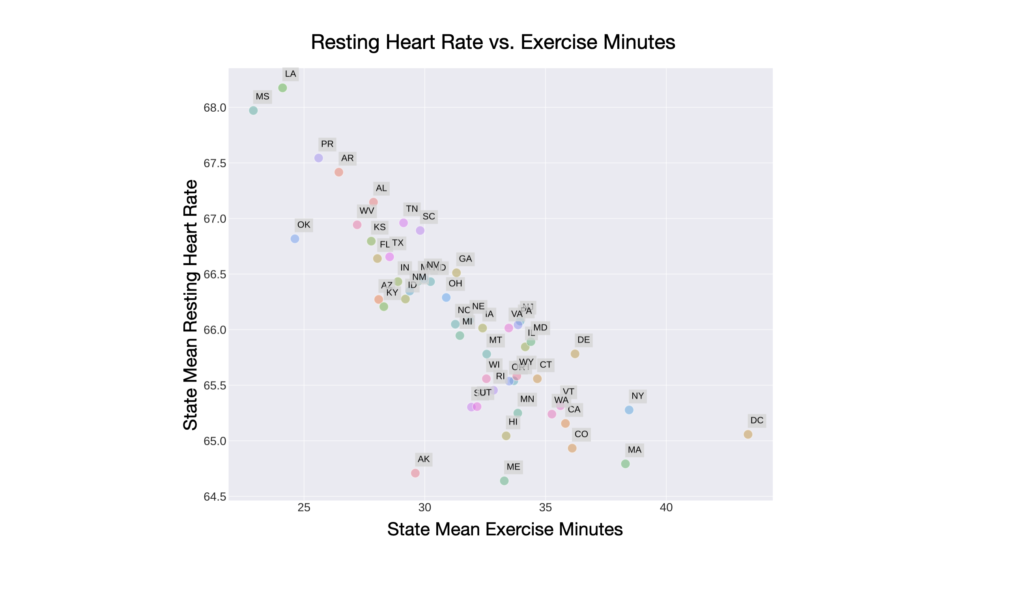
How to Measure Your Heart Rate Accurately at Home
If you want to use this metric to guide your training, you need accurate data. While many people rely on fitness trackers, knowing how to measure resting heart rate manually at home is an essential skill. Consistency is the key—your heart rate fluctuates throughout the day based on your activity, hydration, and even your mood.
To get the most reliable baseline, follow these steps:
- Check in the morning: Measure your pulse immediately after waking up, while you are still lying in bed. Avoid checking it after your first cup of coffee or after a stressful news cycle.
- Find your radial artery: Place your index and middle fingers on the thumb side of your opposite wrist, just below the base of the hand.
- Count for a full minute: Use a timer and count the number of beats you feel for 60 seconds. Alternatively, count for 30 seconds and multiply by two, though a full minute is generally more accurate for lower heart rates.
- Log your data: Keep a journal or use an app to track these numbers over several days to find your average baseline.
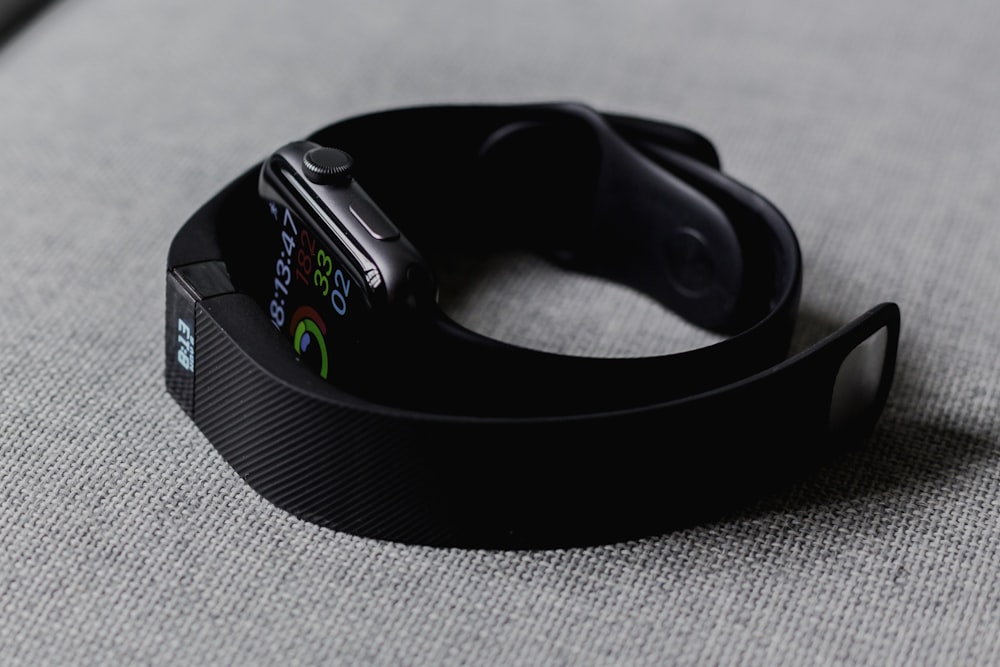
In today’s world, wearable technology has made this process much simpler. Devices like smartwatches and chest straps provide continuous monitoring and can calculate your average resting heart rate while you sleep. This is often more accurate than a single manual check because it removes the human error of manual counting and accounts for the impact of sleep and stress on resting heart rate readings. However, even the best technology can be thrown off by a poor fit or a low battery, so knowing the manual method is a great backup.

Red Flags: When a Low RHR is a Medical Concern
While we often celebrate a lower resting heart rate in the fitness community, there is a point where it can become a concern. If your heart rate is very low and you aren't a trained athlete, or if the low rate is accompanied by physical symptoms, you may be dealing with pathological bradycardia rather than elite fitness.
One of the most common overtraining signs is a resting heart rate that is significantly higher or lower than your normal baseline. If you have been training hard and suddenly see your heart rate drop to a level that feels "off," or if it stays elevated for several days, your body is likely struggling to recover.
Symptom Checklist for Medical Concern:
- Feeling lightheaded or dizzy when standing up.
- Unexplained fainting or "near-fainting" spells.
- Chronic fatigue or a lack of energy for daily tasks.
- Shortness of breath during mild activity.
- Chest pain or palpitations.
- Confusion or difficulty concentrating.
If you experience these symptoms along with a low heart rate, it is vital to consult a healthcare professional. A dangerous resting heart rate is less about the specific number and more about how your body is functioning at that rate. A fit runner at 38 beats per minute who feels great is in a very different position than a sedentary individual at 50 beats per minute who feels dizzy.
How to Lower Your Resting Heart Rate Naturally
If your heart rate is currently on the higher end of the normal resting heart rate ranges for healthy adults, don't worry—this is a metric you can change. The most effective ways to lower resting heart rate naturally involve a combination of cardiovascular training and lifestyle management.
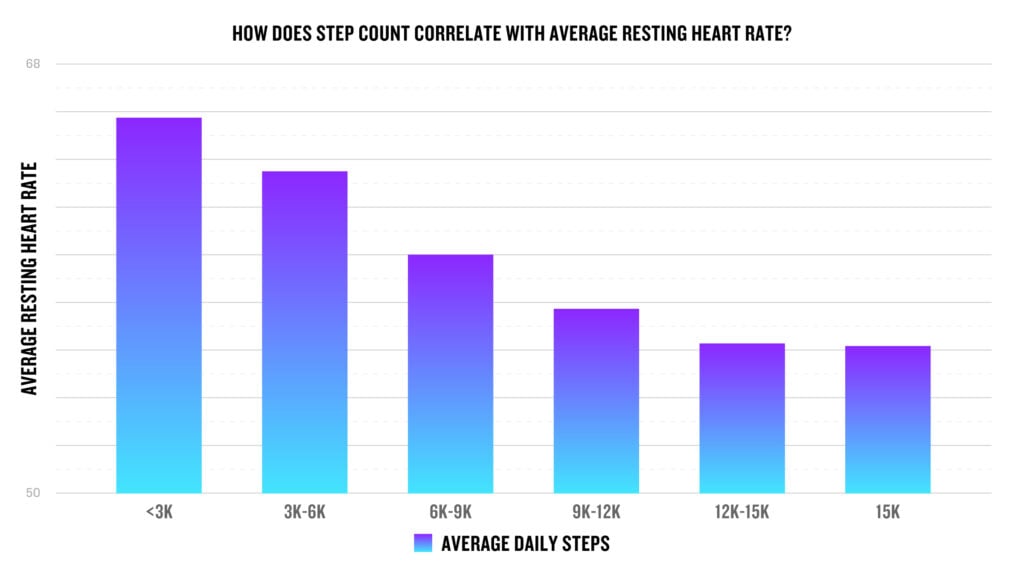
Cardiovascular exercise is the most direct way to strengthen your heart. Focus on building your aerobic base by performing Zone 2 training—exercises where you can still hold a conversation, such as brisk walking, cycling, or swimming. Over time, these sessions increase your heart's efficiency and lower your resting baseline. I recommend at least 150 minutes of moderate-intensity activity per week to see significant changes in how to lower resting heart rate.
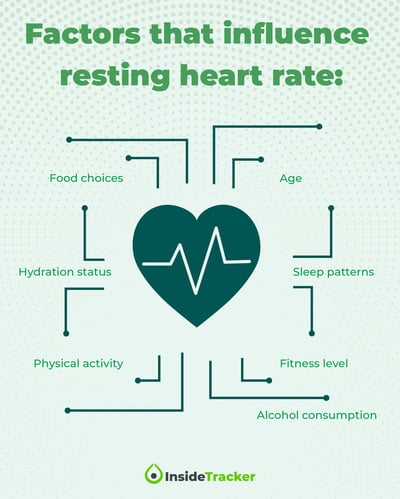
Beyond the gym, managing your recovery is just as important as the workout itself. Stress and poor sleep quality keep your heart in a heightened state of alertness. Practicing stress-reduction techniques like deep breathing, meditation, or ensuring you get 7-9 hours of quality sleep can lead to immediate improvements. Even small changes, like cutting back on caffeine or staying better hydrated, can help your heart perform its job with less effort.
FAQ
What is a normal resting heart rate for adults?
For the majority of healthy adults, a normal resting heart rate typically falls between 60 and 100 beats per minute. Factors like age, sex, and activity level can influence where you fall within this range, with 60 to 80 being very common for those who are moderately active.
How can I lower my resting heart rate naturally?
The most effective approach is to engage in regular cardiovascular exercise to strengthen the heart muscle and increase stroke volume. Additionally, focusing on stress management, improving sleep hygiene, and maintaining proper hydration are critical steps in reducing your baseline heart rate.
Does a low resting heart rate always mean you are fit?
Not necessarily. While a low rate often indicates high cardiovascular efficiency in athletes, it can also be caused by certain medications, underlying medical conditions, or a naturally occurring heart rhythm. The key is whether the low rate is accompanied by high physical performance or negative symptoms like dizziness.
What is considered a dangerous resting heart rate?
A heart rate is generally considered a concern if it consistently falls below 60 beats per minute (in non-athletes) or rises above 100 beats per minute at rest. However, the real danger is usually identified by accompanying symptoms such as fainting, chest pain, or severe fatigue.
How do I accurately measure my resting heart rate?
The most accurate way is to check your pulse manually at your wrist first thing in the morning before getting out of bed. Count the beats for 60 seconds. Alternatively, you can use wearable technology that tracks your heart rate trends overnight for a consistent daily average.