Our Top Picks
- Best Aesthetic: WaterRower Natural Ash for seamless home integration and vibration dampening.
- Best for Performance Junkies: WaterRower with the SmartRow upgrade for professional-grade power-meter accuracy and detailed stroke analysis.
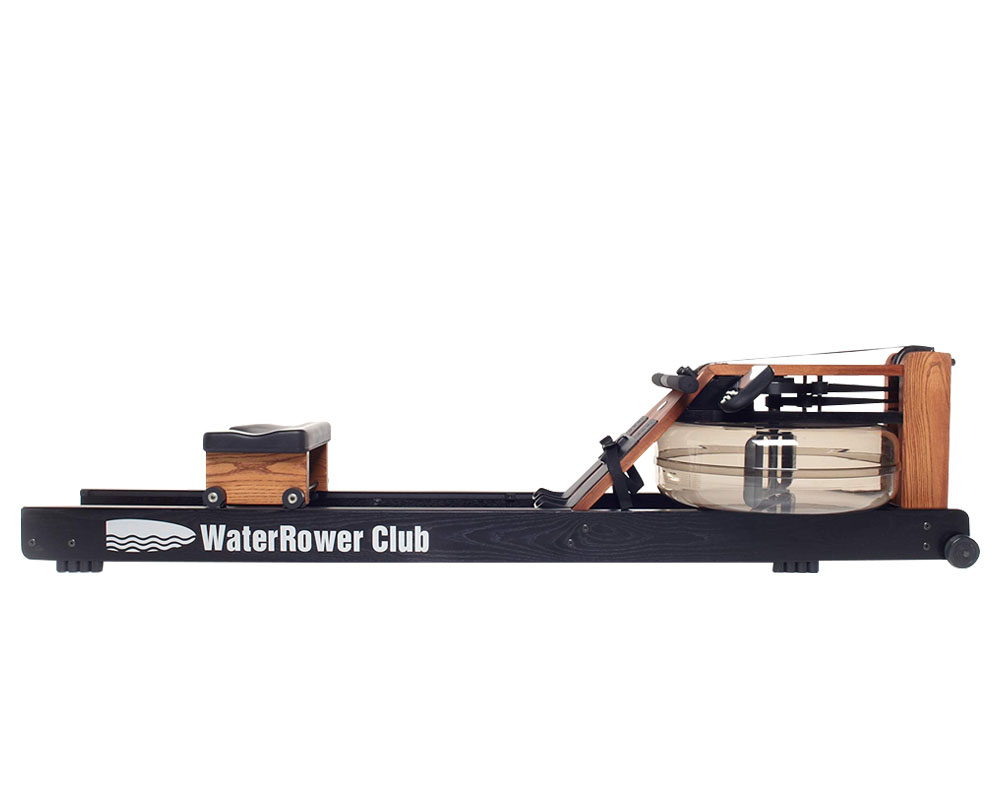
In our WaterRower review, we found this machine provides an unparalleled experience through its water flywheel, offering a low-impact workout that recruits 86% of muscles while serving as a furniture-grade addition to any home. The system utilizes a water flywheel to provide dynamic resistance that mimics the feel of rowing on open water. Its sustainable hardwood frame offers exceptional build quality and a furniture-grade aesthetic, making it significantly quieter than traditional air rowers. This design is ideal for home use, providing a low-impact, full-body workout while remaining compact enough for vertical storage in small living spaces.
Build Quality & Design: Furniture or Fitness Gear?
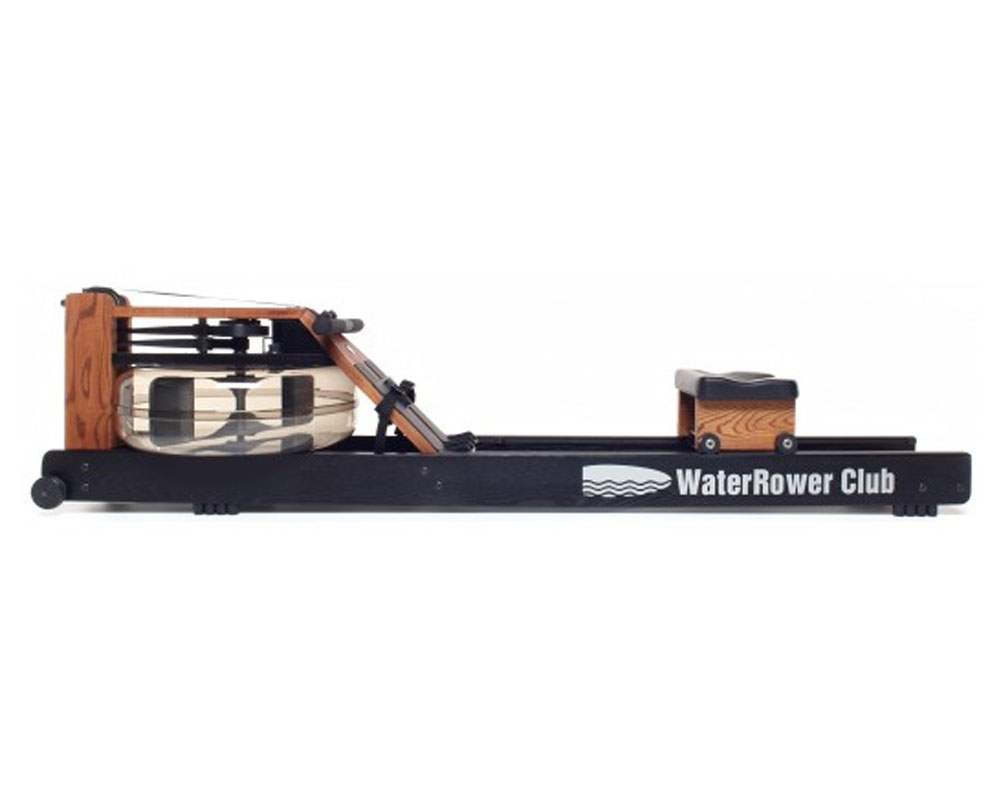
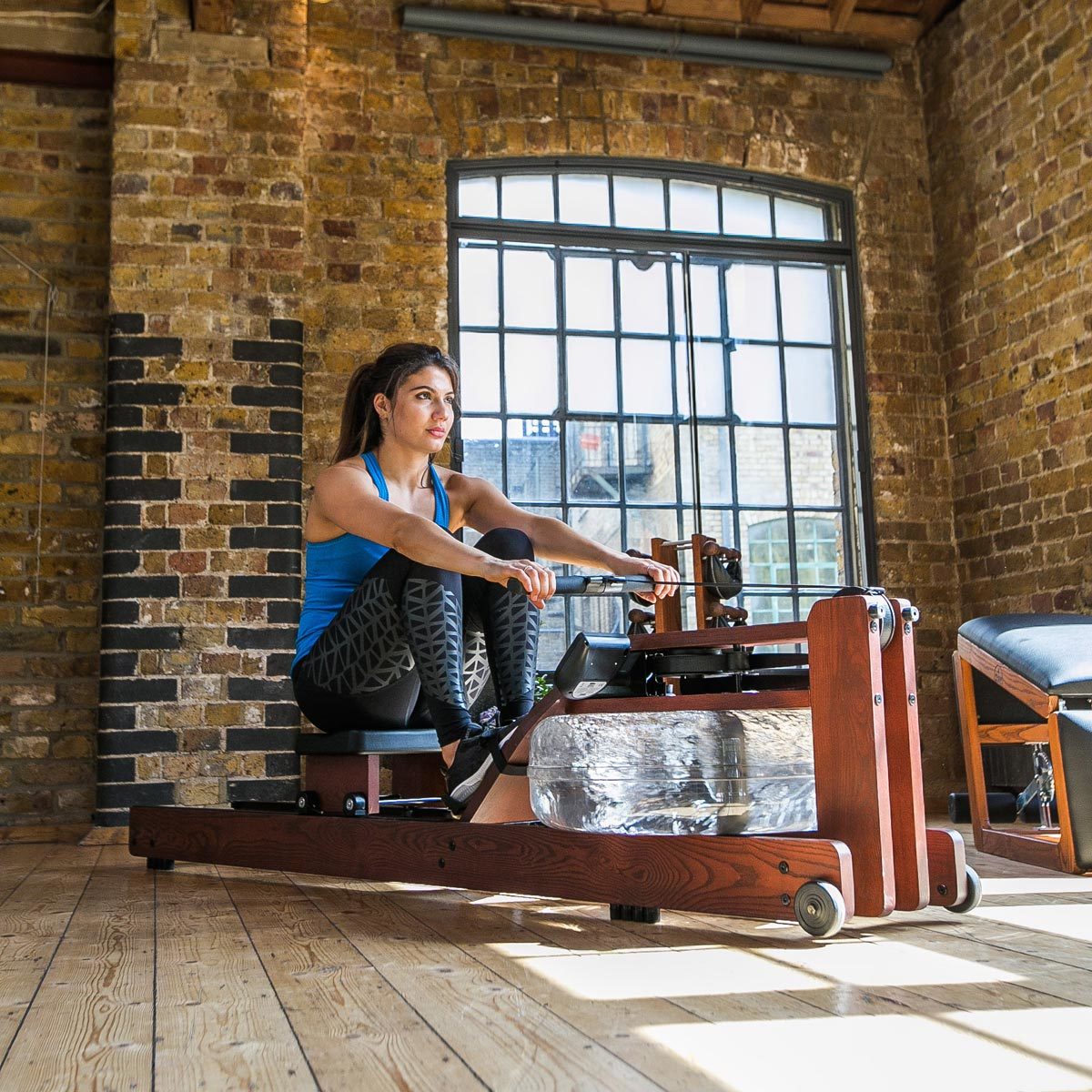
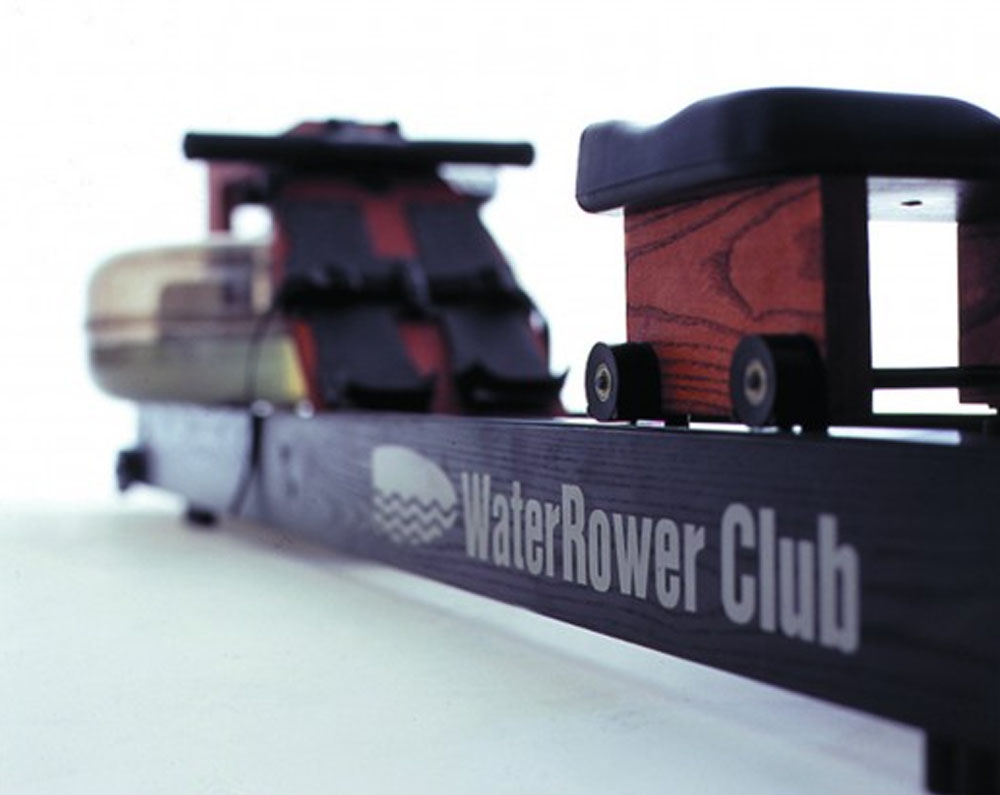
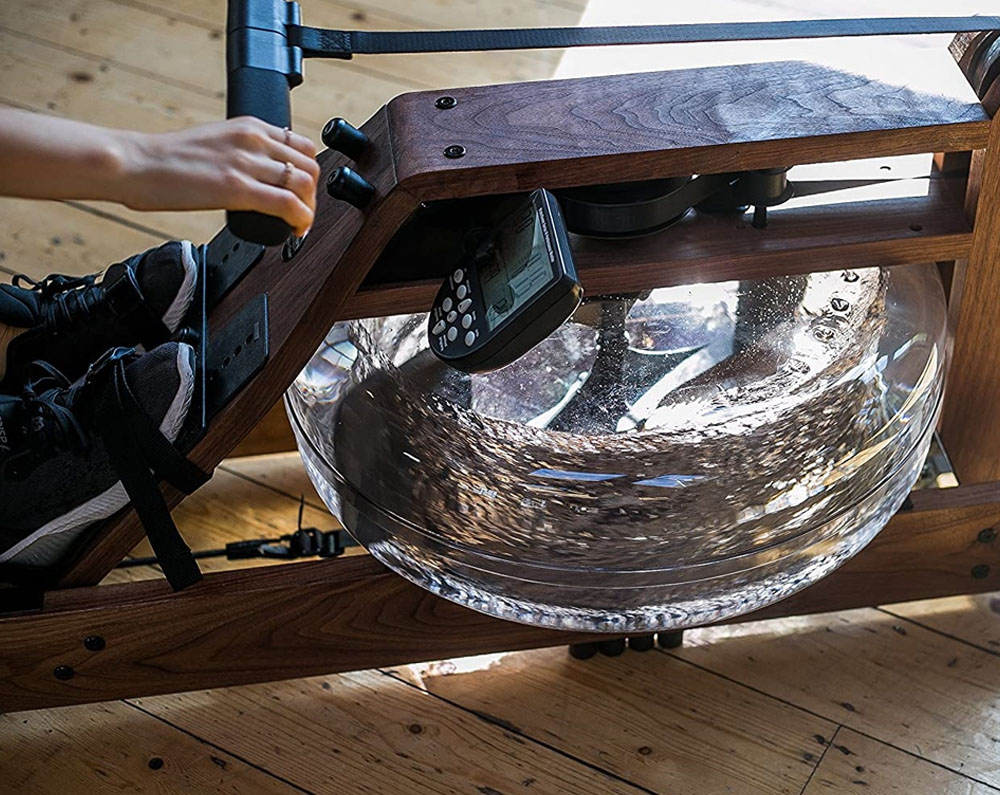
When you first unbox a WaterRower, the immediate impression isn't of a piece of gym equipment, but rather a high-end piece of furniture. This is due to the artisan craftsmanship that goes into every unit manufactured in Rhode Island. The machine is built using sustainable hardwood such as Ash, Walnut, and Cherry. WaterRower is committed to environmental responsibility, maintaining a 2.29 planting-to-harvest ratio, ensuring that more trees are planted than are used for production.
Beyond the ethics, the home gym rower build quality is functionally superior. Wood has a natural ability to absorb sound and vibration, which is a massive advantage over the metallic clanging of steel-framed rowers. During our testing period, we looked closely at the WaterRower build quality after long term use. After five years of consistent rowing, the frame remains rigid, and the wood has aged gracefully, developing a rich patina without losing structural integrity.
The design also prioritizes the constraints of modern living. For those living in urban environments, storing WaterRower vertically in small rooms is a game-changer. When you finish your workout, the machine flips onto its head. The footprint in this position is roughly 84 x 22 inches, which is similar to the floor space occupied by a standard dining chair. This allows you to reclaim your living room in seconds, a feature rarely seen in professional-grade cardio equipment.
Performance: The Whoosh vs. The Data Gap
The core of the WaterRower review experience lies in its patented water flywheel. Unlike air rowers that use a fan and a damper to create resistance, the WaterRower uses a tank of water. This creates dynamic resistance; the harder and faster you pull, the more resistance the water provides. This perfectly mimics the physics of a boat moving through water. There is no sudden "jerk" at the beginning of the stroke; the power delivery is smooth from catch to finish.
One of the primary water resistance rowing benefits for low impact cardio is the connection between the physical sensation and the auditory feedback. The soothing whoosh of the water creates a hypnotic rhythm that aids in stroke consistency. When comparing WaterRower vs air rower for home use, the noise profile is the deciding factor for many. Studies show the WaterRower typically operates at a noise level between 55 and 65 decibels, which is equivalent to the volume of a normal human conversation. This makes it the ideal WaterRower noise level for upstairs apartments, where the roar of an air rower might disturb neighbors or family members.
From a physiological perspective, the efficiency is hard to beat. Scientific studies indicate that rowing recruits approximately 86 percent of the muscles in the body, providing a comprehensive full-body workout with every stroke. This high level of full-body engagement means you can burn more calories in less time compared to cycling or running, all while keeping the impact on your joints to a minimum.
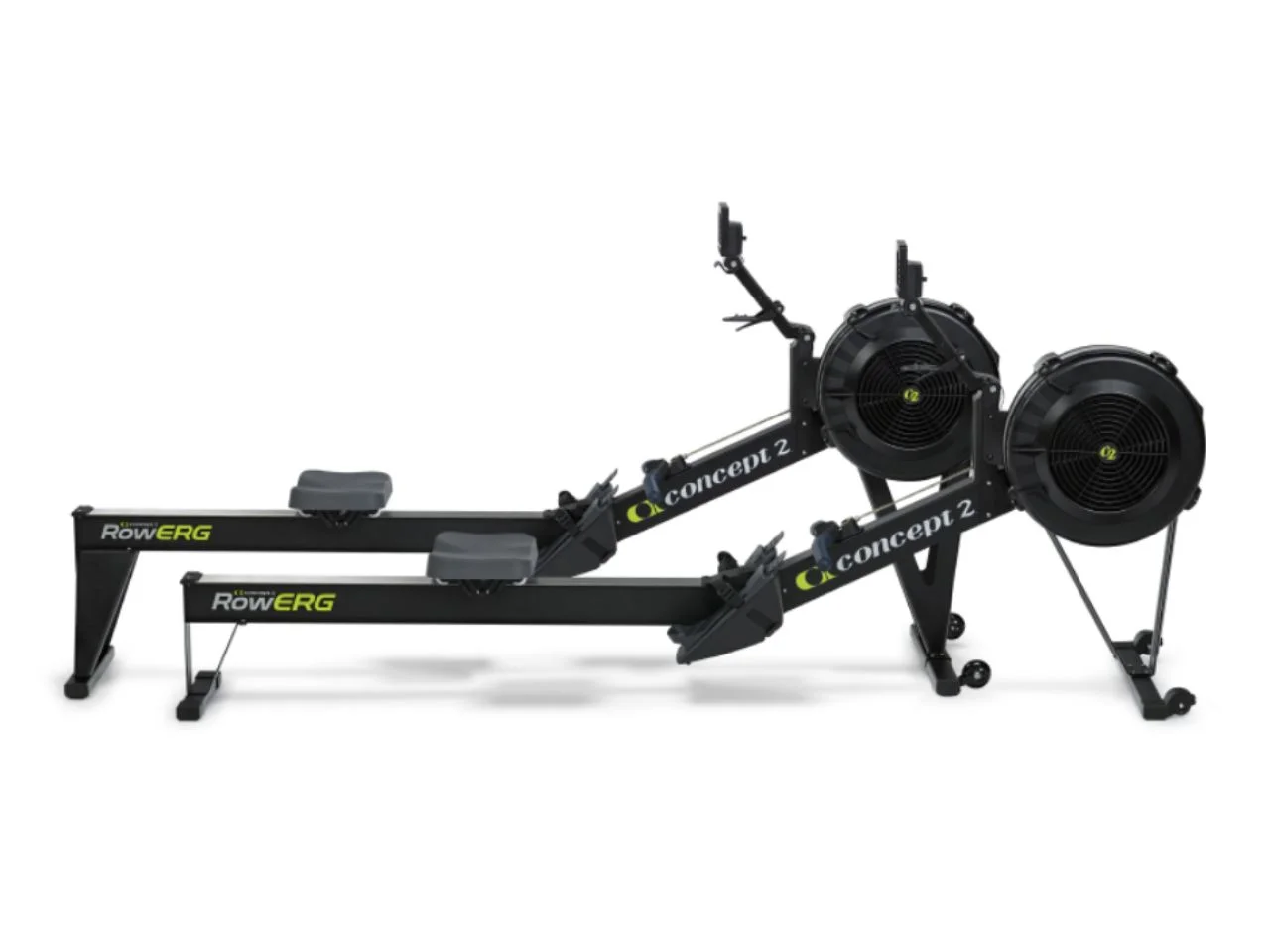
However, athletes transitioning from a Concept2 will notice a data gap. In our WaterRower review, we found that split times on the standard S4 monitor tend to be slightly faster and less "standardized" than those found in competitive rowing circles. While the feel is more realistic to the water, the data output requires specific upgrades if you are training for international rankings.
The Digital Ecosystem: S4 Monitor & SmartRow Upgrade
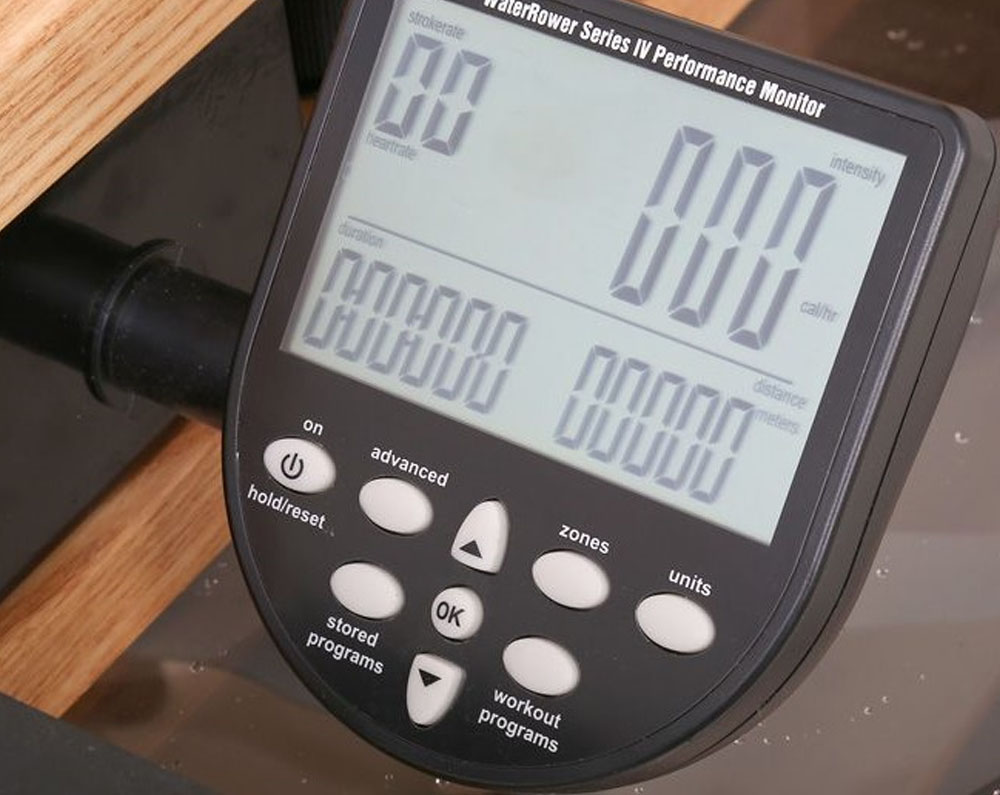
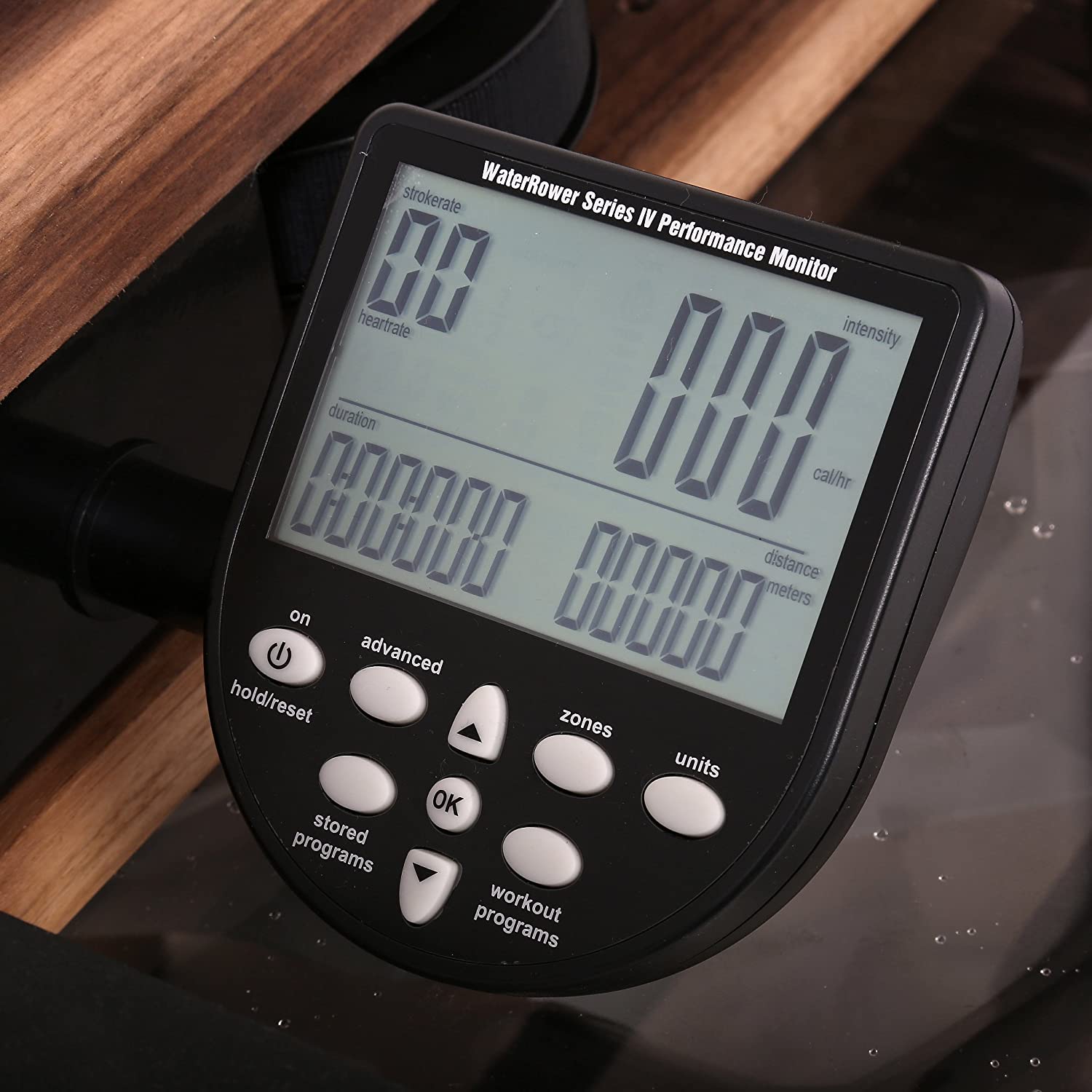
The standard WaterRower S4 performance monitor features a clear, no-nonsense interface. It tracks essential metrics such as intensity (in m/s, mph, or 500m split), stroke rate, heart rate (with an external chest strap), and distance. It is a reliable tool for the everyday athlete, but it lacks built-in wireless connectivity. To fix this, you will need the Bluetooth ComModule, which enables WaterRower S4 monitor app compatibility with platforms like Zwift, Kinomap, and the proprietary WaterRower Connect app.
For the data-driven athlete, the standard S4 might not be enough. This is where the WaterRower SmartRow upgrade for accurate data comes into play. SmartRow replaces the standard pulley system with a precision power meter that measures absolute force and stroke length. This transforms the WaterRower into a lab-grade ergometer.
Performance Monitor Comparison
| Feature | S4 Performance Monitor | SmartRow Upgrade |
|---|---|---|
| Measurement Method | Magnetic sensor (speed-based) | Strain gauge (force-based) |
| Accuracy | Good for relative progress | Professional-grade/Absolute |
| Connectivity | Requires Bluetooth ComModule | Built-in Bluetooth |
| App Support | WaterRower Connect, Zwift | SmartRow App (Detailed Analysis) |
| Primary Metric | Speed/Time | Watts/Force Curve |
The SmartRow system allows you to see your force curve in real-time, which is essential for correcting imbalances in your stroke. If you are serious about performance, the SmartRow is the single best investment you can make for this machine.
Maintenance Reality: Keeping Your Wood and Water Pristine
One common concern for new owners is the maintenance of a natural material machine. However, maintaining WaterRower wood and water tank is surprisingly straightforward. A high-quality water resistance rowing machine has an expected functional lifespan of 10 to 15 years when properly maintained.
To keep the water clear and free of biological growth, you must use chlorine purification tablets. We recommend dropping one tablet into the tank every three to six months, depending on the sunlight exposure in your room. The wood itself requires an occasional wipe down with a damp cloth to remove dust and sweat. Every few months, checking the tension of the bolts ensures the frame remains silent and stable.
User comfort is also well-addressed through the ergonomic handle grip and adjustable footplates. Using the WaterRower footplate adjustment for better rowing form is crucial for preventing lower back strain. You want the strap to sit across the widest part of your foot (usually the ball of the foot) to allow for a full range of motion at the ankle during the catch.
Quick Maintenance Checklist
- Every Workout: Wipe down the dual rails to prevent dust buildup under the seat rollers.
- Every 3-6 Months: Add one chlorine purification tablet to the tank.
- Every 6 Months: Check and tighten frame bolts if the machine has been moved frequently.
- As Needed: Treat the hardwood with a specialized wood oil to maintain the furniture-grade aesthetic.
FAQ
Is a WaterRower worth the investment?
Yes, especially for home users who prioritize a quiet environment and aesthetic appeal. While the initial cost is higher than budget magnetic rowers, the 10-15 year lifespan and high resale value make it a sound financial choice for long-term health.
How does a WaterRower compare to an air rower?
The primary difference is the feel and the sound. A WaterRower provides a smoother, more fluid pull and a quiet whooshing sound, whereas an air rower like the Concept2 has a more mechanical feel and a loud fan noise. Air rowers are generally preferred for competitive racing data, while WaterRowers are preferred for home use and sensory experience.
How loud is a WaterRower during use?
It produces between 55 and 65 decibels. This is significantly quieter than an air rower and allows you to watch television or have a conversation at a normal volume while working out.
How much maintenance does a WaterRower require?
Maintenance is minimal. You simply need to wipe the rails after use and add a chlorine tablet to the water tank a few times a year. The hardwood frame may benefit from occasional oiling to keep it looking new.
Does a WaterRower store easily in small spaces?
Absolutely. It is designed to be stored vertically. In its upright position, it takes up a space of 22 inches by 20 inches on the floor and stands about 84 inches tall, making it easy to tuck into a corner or behind a door.