Quick Facts
- Mortality Risk: 53% lower all-cause mortality compared to sedentary individuals.
- Heart Health: 41% lower risk of death specifically from cardiovascular disease.
- Impact Reduction: Water buoyancy reduces joint stress by up to 90% compared to land activities.
- Calorie Burn: Approximately 255 calories burned per 30-minute moderate session.
- Mental Health: Proven to reduce anxiety levels by up to 41% and lower cortisol.
- Direct Answer: Swimming for longevity is the superior low-impact cardio because it combines hydrostatic pressure for circulation with buoyancy to eliminate joint strain, offering a full-body aerobic workout that supports musculoskeletal health and extends life expectancy more effectively than land-based activities.
Swimming promotes longevity by providing a full-body cardiovascular workout with minimal stress on the skeletal system. The buoyancy of water reduces impact on the joints while improving range of motion and musculoskeletal health. Consistent aquatic exercise is linked to improved VO2 max and lower cortisol levels, supporting metabolic health and chronic disease prevention throughout the aging process.
The Longevity Multiplier: Why the Pool Beats the Pavement
When we talk about life extension, we often focus on nutrition and supplementation, but the modality of your movement matters just as much. For many men, the high-impact nature of running or high-intensity interval training eventually leads to orthopedic setbacks that stall progress. This is where swimming for longevity changes the game. Unlike land-based sports, the pool offers a resistance-rich environment that challenges the heart without punishing the knees or lower back.
The data supporting this shift is overwhelming. In a massive 32-year longitudinal study involving over 40,000 men, researchers found that swimmers had a 53% lower all-cause mortality risk compared to their sedentary peers. Even more striking was the comparison to other active groups: swimmers held a 50% lower risk than walkers and a 49% lower risk than runners. This suggests that the aerobic benefits of swimming provide a unique protective effect on the human body that simple locomotion on land cannot match.
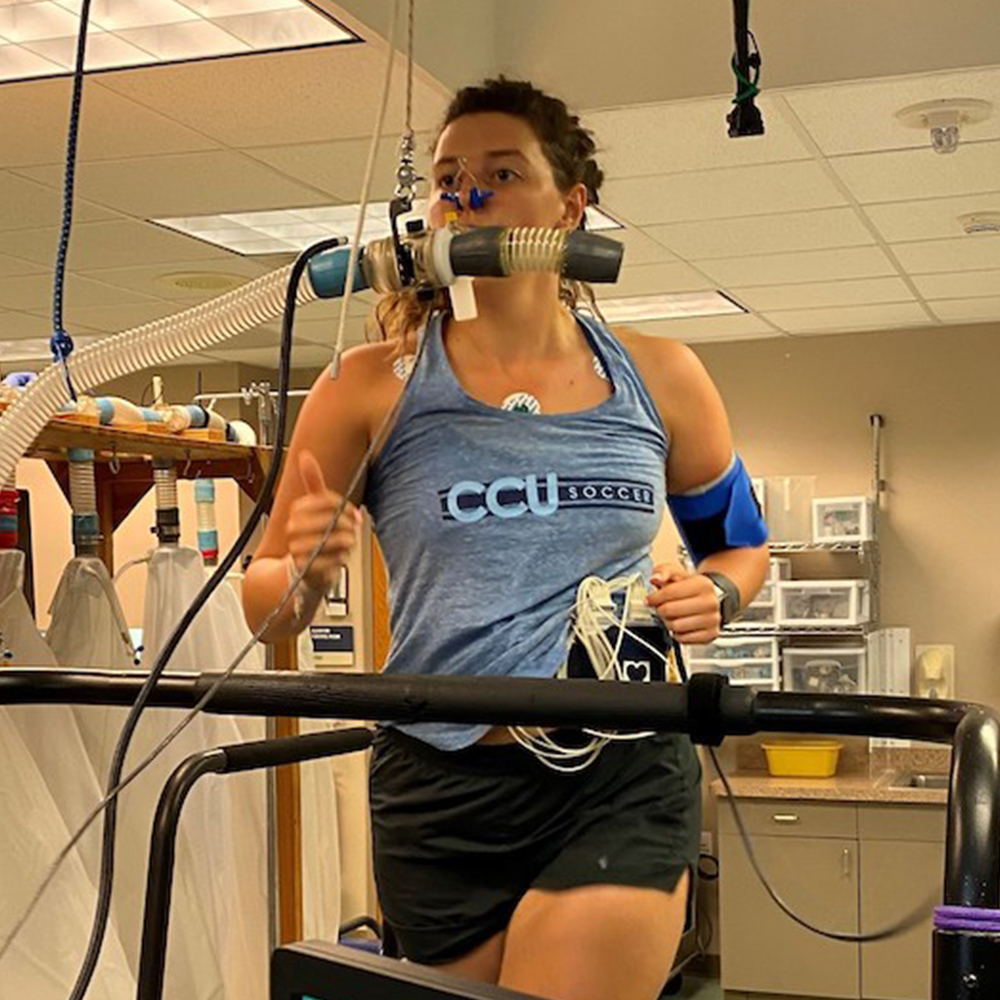
Regularly engaging in aquatic sessions improves cardiovascular endurance by forcing the body to work more efficiently with oxygen. This boost in VO2 max—the gold standard for measuring aerobic fitness—is directly correlated with a longer life. By improving arterial stiffness and lowering resting heart rate, swimming creates a robust cardiovascular system capable of resisting the typical decline associated with aging.
The Physics of Youth: Buoyancy and Joint Health
The primary barrier to consistent exercise as we age is often joint pain. Traditional cardio relies on gravity, which creates a repetitive "thud" that can degrade cartilage over time. Swimming operates under a different set of physical laws. The concept of the Zero-Gravity Advantage is real; when you are submerged to the neck, the water supports about 90% of your body weight. This buoyancy allows for low-impact water exercises for joint pain relief that would be impossible on a treadmill.
Hydrostatic pressure, the force exerted by water against the body, also plays a critical role in musculoskeletal health. This pressure aids venous return—the process of blood flowing back to the heart—which reduces swelling in the lower extremities and improves overall circulation. It creates a natural compression sleeve effect that supports the muscles and connective tissues while you move through a full range of motion.
For men dealing with the early stages of arthritis or recovering from old sports injuries, the pool provides a sanctuary where they can build strength without the wear and tear of gravity. This environment makes it easier to focus on the swimming joint health benefits that keep you mobile into your 70s and 80s. Instead of choosing between pain and strain, you can achieve high-intensity aerobic benefits of swimming for heart health in a medium that protects your frame.
Starting Your Routine: Safe Practices for Seniors
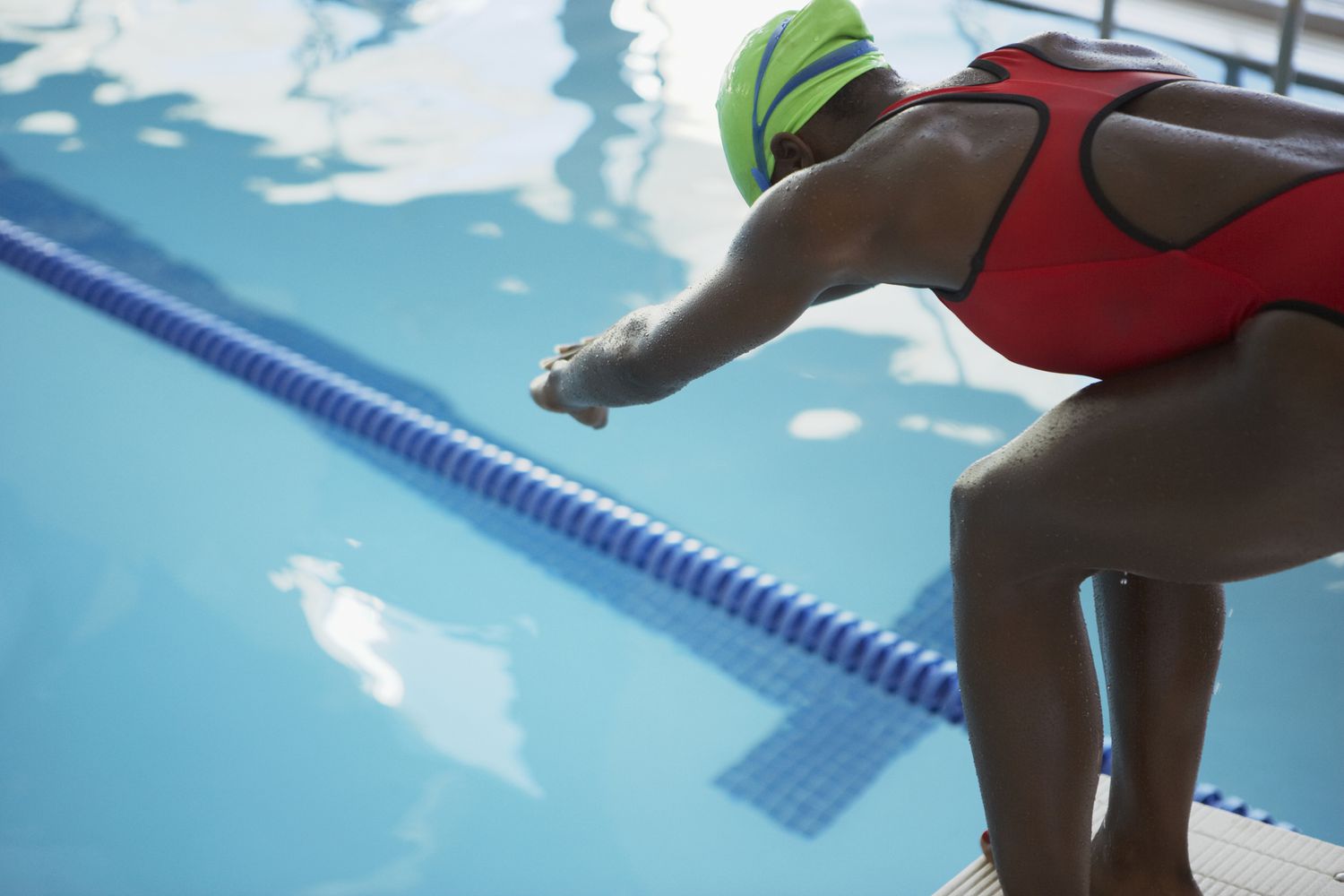
Transitioning to a swimming routine requires more than just jumping in the deep end. To maximize the aerobic benefits of swimming, you should aim for the standard health guideline of 150 minutes of moderate-intensity activity per week. However, the way you accumulate those minutes is vital for active aging.
A smart approach to how to start a swimming routine for seniors involves a gradual increase in volume. Start with two 20-minute sessions per week and focus on your form before your speed. Utilizing varied strokes is essential for muscular symmetry, but you must choose the best swimming strokes for protecting shoulder joints. For many, the breaststroke or a relaxed backstroke is safer than the repetitive overhead reach of a high-power freestyle or the technical demands of the butterfly.
| Feature | Swimming | Walking |
|---|---|---|
| Impact Level | Near Zero | Low to Moderate |
| Muscle Engagement | Full Body (Upper & Lower) | Primarily Lower Body |
| Cardiovascular Intensity | High (Resistance-based) | Moderate |
| Joint Stress | Minimal (Buoyancy-supported) | Cumulative (Gravity-based) |
| Mortality Reduction | 53% Lower Risk | 50% higher risk than swimmers |
When considering swimming vs walking for low-impact cardio longevity, remember that swimming engages almost every major muscle group, including the core and upper body, which walking often neglects. This total-body engagement leads to better metabolic health and higher calorie expenditure in less time.
Troubleshooting Barriers: Preventing Swimmer's Ear and Setbacks
While the pool is a fountain of youth, it is not without minor risks. The most common setback is Otitis Externa, commonly known as swimmer's ear. This is an infection of the outer ear canal caused by trapped moisture. Preventing swimmer's ear is a simple matter of hygiene and protection. Using high-quality silicone earplugs and thoroughly drying the ears with a towel or a hair dryer on a low setting after every session can prevent most issues.
For those who swim daily, preventing swimmer's ear during daily pool workouts may also involve using specialized drops that help evaporate trapped water and restore the ear's natural pH balance. Beyond ear health, pay attention to the water temperature. Warm water swimming enhances circulation and allows for safer flexibility training, but very hot therapy pools may limit your ability to perform high-intensity cardio without overheating.
Consistency is the ultimate driver of chronic disease prevention. By managing these small logistical hurdles, you ensure that your aquatic habit remains a permanent fixture of your lifestyle. Reducing cortisol reduction through the rhythmic, meditative nature of lap swimming provides a mental health boost that is just as important as the physical gains.
FAQ
Does swimming increase life expectancy?
Yes, clinical evidence suggests a significant increase. Research on over 80,000 adults found that regular swimming was associated with a 28% lower risk of premature death from any cause. The combination of improved heart health and reduced musculoskeletal decline makes it one of the most effective tools for extending the human lifespan.
How many days a week should you swim for longevity?
For optimal results, aim for three to five sessions per week. This frequency allows for significant cardiovascular gains while leaving time for muscle recovery. Even two sessions a week can provide measurable benefits, but consistency over decades is what truly impacts the aging process.
Is swimming better than walking for aging adults?
In terms of pure mortality risk and full-body engagement, swimming holds a clear advantage. While walking is excellent for basic health, swimming provides a 50% better reduction in mortality risk and offers resistance training for the upper body and core without the joint impact associated with land-based movement.
What are the long-term health benefits of swimming?
Long-term benefits include sustained VO2 max, improved insulin sensitivity, lower blood pressure, and better weight management. Additionally, the maintenance of muscle mass and joint flexibility helps prevent the frailty often associated with advanced age, ensuring that the years you add to your life are spent in an active, capable state.
Can swimming reduce the risk of chronic disease?
Swimming is a powerful tool for chronic disease prevention. The aerobic nature of the sport helps manage weight and lower blood sugar, reducing the risk of type 2 diabetes. Furthermore, the 41% lower risk of cardiovascular death linked to swimming shows its profound impact on heart disease, the leading cause of death globally.
Is swimming good for joint health as you age?
Absolutely. It is arguably the best exercise for aging joints. The buoyancy of the water removes the compressive force of gravity, allowing you to move through a full range of motion. This helps lubricate joints and strengthen the supporting muscles, which is vital for managing arthritis and maintaining overall musculoskeletal health.